Fashion as a Form of Self-Expression: More Than Just What We Wear
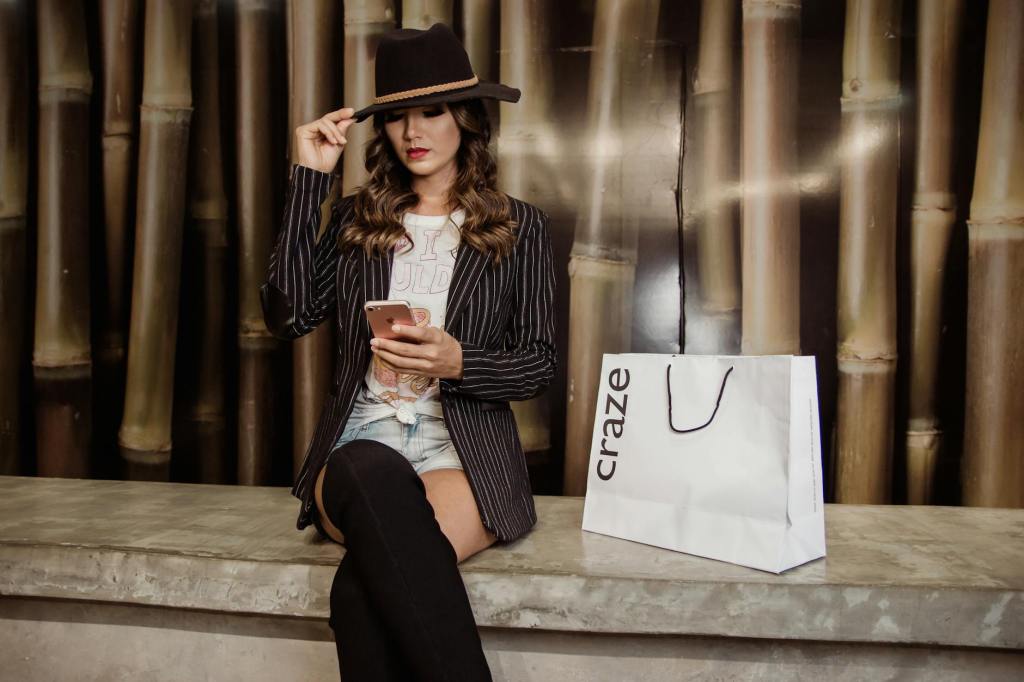
In a world where first impressions matter and appearances speak volumes, fashion has emerged as a powerful medium of communication. Beyond trends and runways, fashion is a deeply personal language—one that allows individuals to express their identity, mood, values, and creativity without saying a word. Whether it’s a traditional sari, an oversized hoodie, or a bold pair of boots, every piece of clothing tells a story. In today’s dynamic cultural landscape, fashion is not merely about dressing up—it’s about dressing true to who you are.
- The Psychology of Fashion: Why We Dress the Way We Do
- Fashion and Identity: A Reflection of Who We Are
- Cultural Significance and Style Statements
- Breaking Stereotypes and Challenging Norms
- Fashion in the Digital Age: Self-Expression Goes Viral
- The Role of Sustainable and Ethical Fashion
- Fashion and Emotion: Dressing for the Mood
- Fashion Subcultures: Finding Your Tribe
- Gender, Fashion, and Fluidity
- Fashion in the Indian Context: A Tapestry of Expression
- How to Use Fashion as Your Own Voice
The Psychology of Fashion: Why We Dress the Way We Do
Clothing choices are often guided by more than practicality. Psychologists have long studied the relationship between attire and identity, showing that what we wear impacts not only how others see us, but how we feel about ourselves. This concept, known as “enclothed cognition,” suggests that the symbolic meaning of clothes influences the wearer’s psychological processes.
For instance, putting on a blazer might evoke a sense of professionalism, while slipping into your favorite jeans could bring comfort and familiarity. Fashion becomes a tool through which we navigate roles, emotions, and environments—sometimes consciously, sometimes not.
Fashion and Identity: A Reflection of Who We Are
Fashion allows individuals to celebrate uniqueness. It helps us communicate our background, aspirations, and subcultures we identify with. In a multicultural country like India, where traditions are interwoven with modernity, fashion often becomes a fusion of heritage and contemporary individuality.
- A Gen Z woman might pair a handloom dupatta with a denim jumpsuit.
- A man might embrace androgynous fashion with skirts or jewelry, breaking away from outdated gender norms.
- A teenager may wear band tees or anime-inspired streetwear, connecting with niche fandoms.
In each of these examples, fashion goes beyond function—it becomes a canvas for personal identity.
Cultural Significance and Style Statements
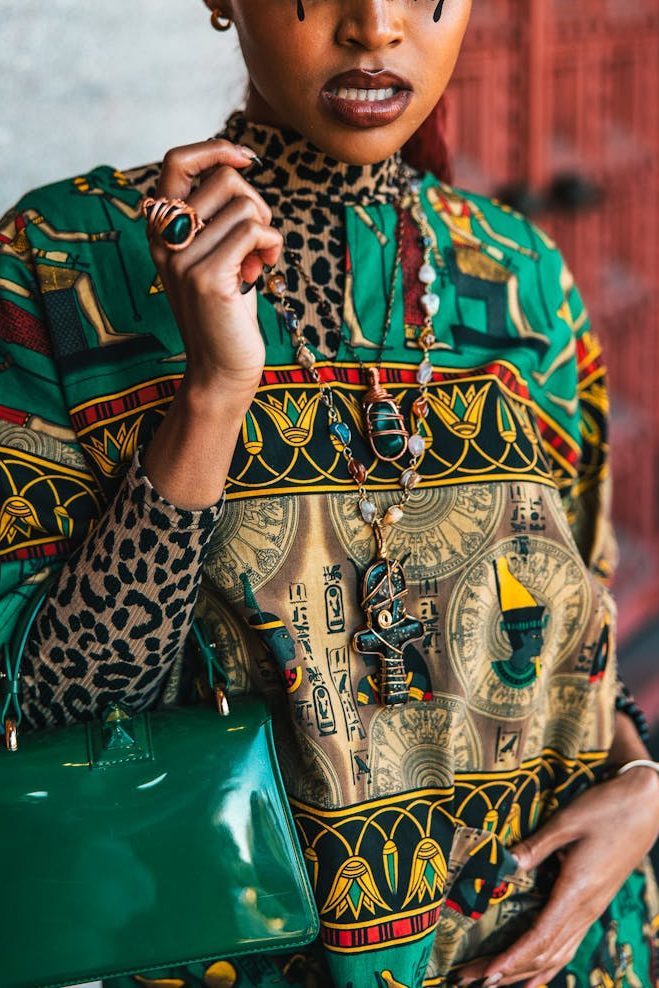
Fashion plays a central role in preserving and showcasing cultural identity. For many, traditional garments like lehengas, lungis, or hijabs aren’t just attire—they are statements of belonging, pride, and legacy. At the same time, fashion also gives room for cultural reinterpretation.
Today’s designers frequently reimagine classic Indian silhouettes with modern cuts, global fabrics, or street-style influences. This blending of cultures through fashion symbolizes how individuals adapt and evolve, without losing connection to their roots.
Breaking Stereotypes and Challenging Norms
One of the most powerful aspects of fashion is its ability to challenge societal expectations. Over the years, we’ve seen fashion become a vehicle for rebellion and revolution.
- The punk movement of the ’70s used torn clothes, studs, and mohawks to protest conformity.
- The LGBTQ+ community has used bold and fluid fashion as an assertion of identity and pride.
- Body positivity movements encourage fashion choices that defy conventional beauty standards.
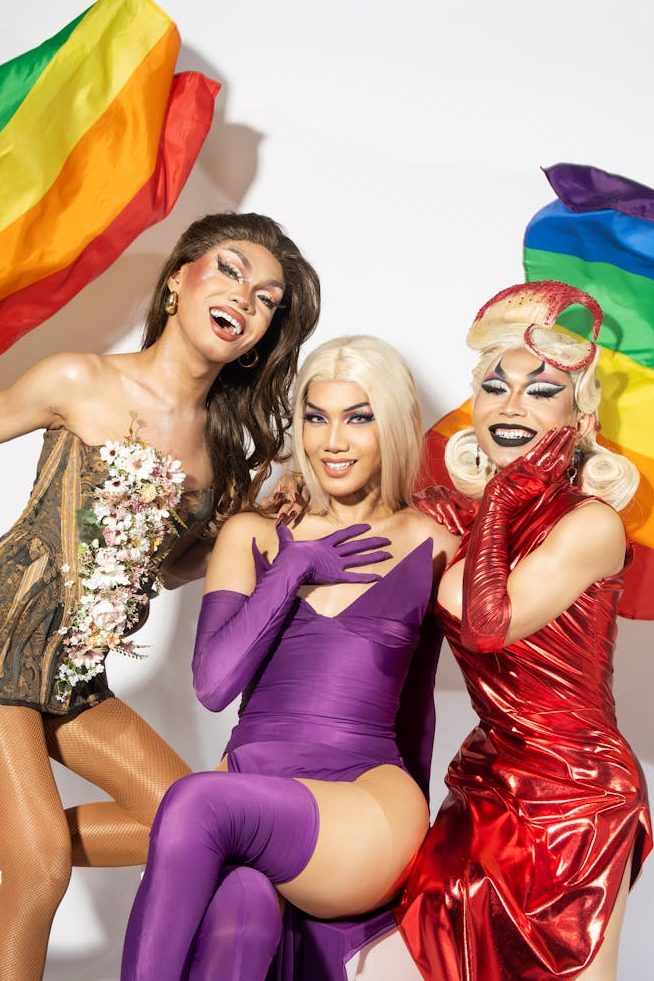
In India, more people are now rejecting the notion that women must dress “modestly” or men must dress “masculinely.” From trans models on the ramp to plus-size influencers owning their style, fashion is dismantling oppressive narratives—one outfit at a time.
Fashion in the Digital Age: Self-Expression Goes Viral
With social media platforms like Instagram, Pinterest, and TikTok, personal style has gained a global stage. No longer confined to fashion capitals or celebrities, self-expression through clothing is now visible, viral, and interactive.
People create curated feeds and mood boards, showcasing daily looks or styling experiments. Fashion influencers have emerged not just to follow trends, but to create them—pushing the boundaries of color, layering, and DIY fashion. You don’t need a designer wardrobe to make a statement anymore; style is about intention, creativity, and confidence.
The Role of Sustainable and Ethical Fashion
Self-expression isn’t just about aesthetics—it’s increasingly about values. A growing number of consumers today want their fashion choices to reflect their beliefs, especially regarding sustainability, animal rights, and ethical labor practices.
- Choosing slow fashion over fast fashion says you value craftsmanship and longevity.
- Opting for cruelty-free or vegan materials reflects empathy for animals and the planet.
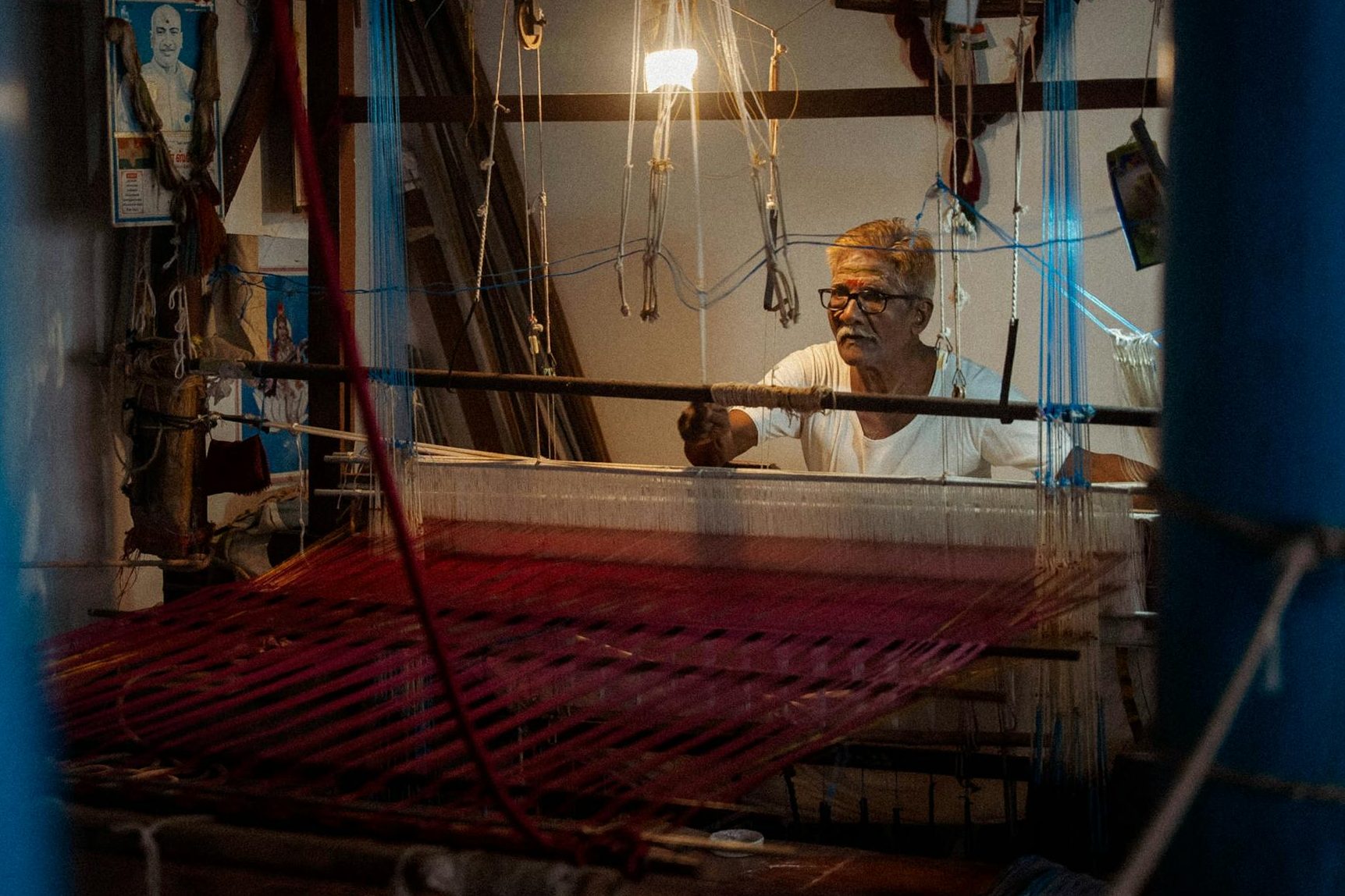
- Supporting local artisans and handloom weavers keeps centuries-old traditions alive.
Fashion thus becomes a tool not only for personal storytelling but also for conscious living.
Fashion and Emotion: Dressing for the Mood
Fashion is an emotional outlet. People often dress according to how they feel—or how they want to feel. On a gloomy day, a bright yellow kurta can lift the spirit. On a day filled with anxiety, an oversized hoodie may feel like a warm hug.
In many ways, our wardrobe becomes a diary of emotions, shifting with life’s rhythms. Festive wear, power suits, or “comfort clothes” all hold emotional weight and memories, making fashion one of the most intimate forms of self-expression.
Fashion Subcultures: Finding Your Tribe
Style can also serve as a signal to connect with like-minded people. Fashion subcultures—from goth and grunge to boho and normcore—create a sense of belonging. In India, we now see unique fusions emerging: indie folk aesthetics mixed with streetwear, or urban minimalism paired with traditional accents.
These subcultures offer a space where people feel seen and understood—not because they dress alike, but because their styles speak the same unspoken language.
Gender, Fashion, and Fluidity
The traditional gender binary in fashion is dissolving. The rise of gender-fluid fashion is a testament to how clothing is becoming more inclusive and liberated.
Brands are also responding by offering gender-neutral collections, creating space for everyone to explore style without labels. For many, this freedom is not just about fashion—it’s about authentic existence.
Fashion in the Indian Context: A Tapestry of Expression
India’s fashion story is particularly rich, given its diversity. From north to south, east to west, every state brings its own textile traditions, colors, and style philosophies. Yet, Indian youth today are blending these with global aesthetics.
- A lehenga worn with sneakers.
- A kurta styled as a dress with a belt.
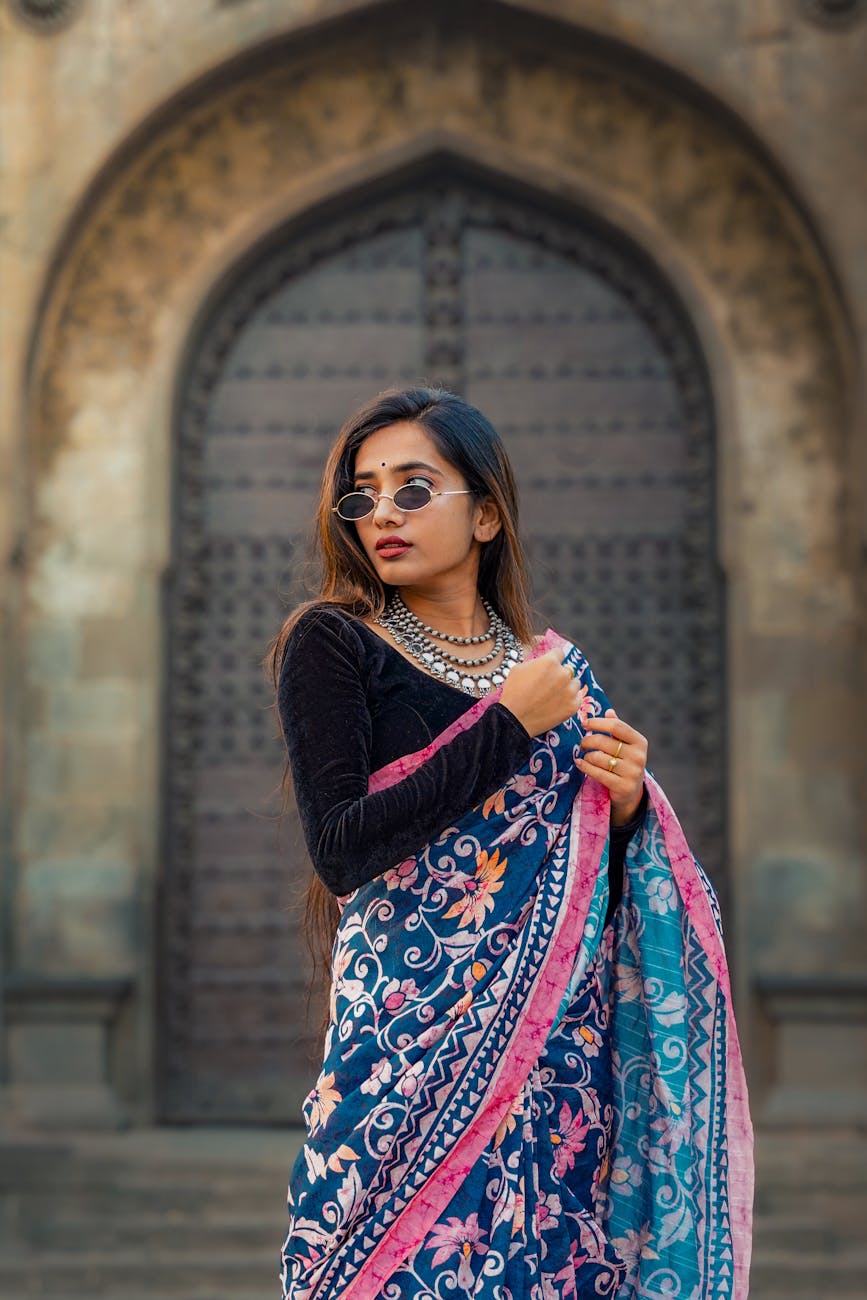
- A saree draped over jeans.
These combinations reflect a generation that is rooted, yet restless; traditional, yet experimental.
How to Use Fashion as Your Own Voice
Want to start expressing yourself more through fashion? Here are some tips:
- Discover your style inspirations: Follow stylists, influencers, or fashion eras that resonate with you.
- Play with textures and color: Don’t be afraid to mix prints or try tones you haven’t worn before.
- Build a capsule wardrobe: Curate versatile pieces that reflect your aesthetic and mood.
- Customize your clothes: Add patches, embroidery, or dye old pieces to make them uniquely yours.
- Support designers who align with your values: Whether it’s sustainability or representation, let your wallet speak too.
Remember, fashion isn’t about perfection—it’s about expression.
Wear Who You Are
Fashion is more than fabric. It’s freedom. It’s identity. It’s storytelling. Whether loud or subtle, extravagant or minimalist, every choice you make in front of the mirror says something about you. So wear your quirks. Flaunt your heritage. Style your beliefs. Because when fashion becomes self-expression, it becomes art.

 Panache Palette
Leave a comment