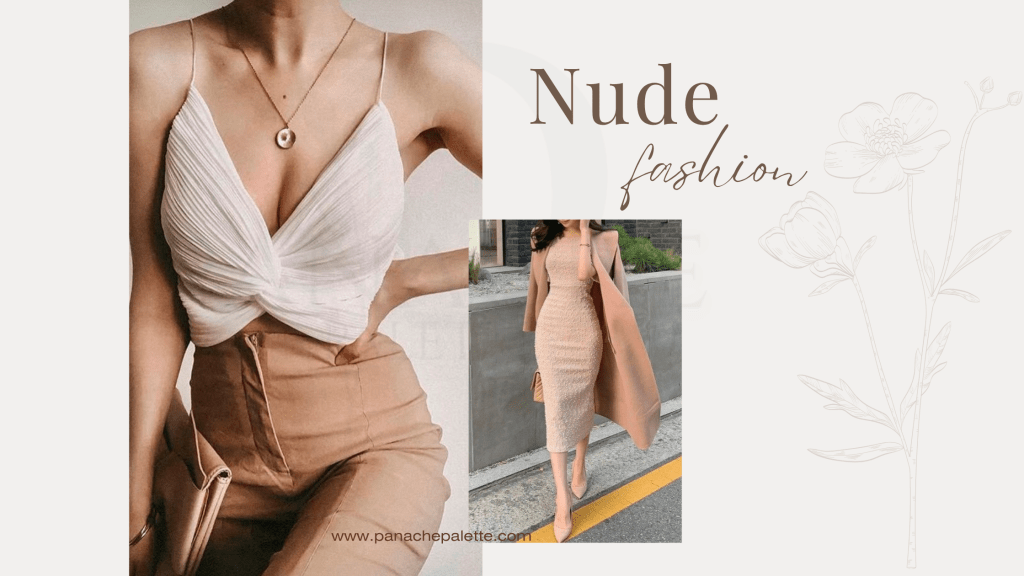
Fashion is a world that thrives on transformation. Every season brings new shades, textures, and silhouettes — yet amidst all the vibrancy and experimentation, one palette has stood the test of time: the nude color trend. Subtle, elegant, and endlessly versatile, nude tones have evolved from being simple background colors to becoming powerful fashion statements on their own.
From beige and blush to caramel and mocha, nude shades represent a modern form of sophistication — one that celebrates diversity, simplicity, and timeless style. Today, nude fashion is not just about muted tones; it’s about balance, inclusivity, and the understated beauty that lies in neutral hues.
Let’s explore how this minimalist color trend became a global favorite, what shades are considered nude, and why women everywhere are embracing the “less is more” philosophy in fashion.
The Origin and Evolution of Nude Tones in Fashion
The story of nude tones begins with the rise of minimalism in fashion. In the late 1990s and early 2000s, designers began shifting away from overly vibrant prints and flashy details, instead embracing simplicity and clean lines. Nude tones perfectly fit this new aesthetic — they were soft, natural, and effortlessly chic.
However, nude colors in fashion have a much deeper history.
- In the early 20th century, nude shades were primarily used in undergarments and hosiery. The idea was to match fabric to one’s skin tone, giving the illusion of “barely there” clothing.
- By the mid-century, as Hollywood glamour flourished, designers started incorporating beige gowns and champagne-toned fabrics into couture. Think of Marilyn Monroe’s iconic beige dresses or Audrey Hepburn’s soft pastel-beige ensembles — subtle yet powerful symbols of grace.
- In the 1990s, the nude trend gained modern traction with brands like Calvin Klein, who championed neutral-toned minimalism. Clean silhouettes in cream, taupe, and sand became the new definition of luxury.
As the fashion world became more global and inclusive, the definition of “nude” expanded. Earlier, “nude” referred mainly to pale beige shades, but this limited interpretation excluded deeper skin tones. Today, nude fashion embraces all skin colors, offering a wide range of shades from ivory and honey to cocoa and espresso. This inclusivity has redefined the nude trend into something more meaningful: a palette that represents every woman.
What Colors Are Considered Nude?
The word “nude” doesn’t refer to a single color — it’s a spectrum of soft, natural hues inspired by human skin tones. Here’s a breakdown of shades that fall under the nude category:
Classic Nude Shades:
- Beige: Soft, creamy brown with subtle warmth.
- Tan: Light to medium brown with golden undertones.
- Ivory: Pale off-white with a hint of yellow.
- Cream: Rich white with buttery undertones.
- Camel: Medium brown reminiscent of camel hair.
- Taupe: A balanced mix of gray and brown.
- Sand: Light beige similar to beach sand.
- Caramel: Medium golden brown with warmth.
- Mocha: Deep brown with cool undertones.
- Blush: Soft pinkish beige that adds femininity.
Inclusive and Deeper Nude Shades:
- Honey: Warm golden beige.
- Cocoa: Deep, chocolate-like brown.
- Espresso: Rich, dark brown — a deeper nude tone.
- Chestnut: Reddish-brown with warmth.
- Almond: Soft beige with a pink or yellow hint.
- Latte: Creamy light brown with milky undertones.
- Toffee: Warm, golden-brown slightly darker than caramel.
- Rose Beige: Beige with gentle rosy undertones.
- Mushroom: Cool grayish-brown neutral.
- Cinnamon: Medium brown with red-orange warmth.
These hues form the foundation of modern nude fashion, offering something for every skin tone, mood, and occasion.
Why Women Love Nude Shades
The nude palette’s growing popularity isn’t accidental, it speaks to women’s need for comfort, elegance, and versatility.
1. Nude Colors Are Timeless
Trends may change, but nude tones always find a place in women’s wardrobes. Unlike neon shades or seasonal prints, nude colors never go out of style. A beige trench coat or a cream blouse can be worn year after year and still look as elegant as ever.
2. They Match Everything
Nude colors are incredibly easy to style. They pair beautifully with bold tones like red, emerald green, or navy, and also with other neutrals. A nude dress with gold jewelry or a tan top with white trousers instantly creates a polished look.
3. They Flatter Every Skin Tone
The beauty of nude shades lies in their adaptability. Whether you have a fair, medium, or deep complexion, there’s a nude tone that complements your skin perfectly. From rosy beige to deep mocha, the right nude enhances natural radiance without overpowering it.
4. They Create a Slimming, Elongating Effect
Nude shoes and fitted clothing in neutral tones are known for creating a sleek silhouette. Nude heels, in particular, have become a fashion essential for this reason they visually lengthen the legs and pair effortlessly with any outfit.
5. They Reflect Confidence and Simplicity
In a world where trends can feel overwhelming, nude shades offer a sense of calm. They represent understated confidence, a quiet strength that doesn’t rely on loud patterns or colors to make an impact.
Nude Fashion Across Categories
1. Nude Dresses
From flowing chiffon gowns to satin slips, nude dresses are a red-carpet favorite. Celebrities like Jennifer Lopez, Zendaya, and Priyanka Chopra have all worn nude-toned gowns that blend elegance with sensuality. The color’s soft palette highlights natural beauty without stealing attention.
2. Nude Suits and Workwear
Modern business fashion has embraced nude tones too. A beige blazer or camel trouser set is a stylish alternative to classic black or navy. Paired with white shirts, gold jewelry, and nude heels, it creates a powerful yet feminine look that is ideal for boardrooms or professional events.
3. Nude Casualwear
For everyday fashion, nude tones bring effortlessness. Oversized tan sweaters, beige cargo pants, or cream crop tops are perfect for creating a relaxed yet chic vibe. Mixing textures like pairing a satin nude blouse with linen trousers adds depth to the look.
4. Nude Accessories
Accessories in nude shades are true wardrobe heroes. A beige handbag, taupe heels, or tan belt can complement almost any outfit. They’re practical and timeless, making them must-haves in any fashion collection.
5. Nude Makeup-Inspired Fashion
The crossover between nude makeup and fashion is undeniable. The rise of neutral eyeshadows, soft matte lipsticks, and glowing beige tones in beauty inspired designers to translate those same aesthetics into clothing. Think blush-toned silk dresses and mocha-toned knitwear — wearable reflections of a “no-makeup” makeup look.
How to Style Nude Colors
Nude tones may be subtle, but styling them right can make them stand out beautifully.
1. Go Monochrome
Wearing all-nude or tonal outfits creates a sleek, elongated silhouette. Mixing shades like sand, tan, and mocha adds dimension while keeping the look cohesive.
2. Add a Pop of Contrast
Pair nude outfits with bold accents like a red lip, black belt, or statement jewelry for a chic contrast that enhances the neutral base.
3. Mix Textures
Since nude tones are understated, texture becomes key. Combine suede, silk, leather, or knit fabrics to give your outfit more character and depth.
4. Layer Smartly
Layering nude tones can make an outfit look effortlessly expensive. A cream top under a camel trench coat with beige trousers, for instance, embodies timeless elegance.
5. Match Your Nude Shade
Find the nude tone that suits your skin best — warmer nudes for golden undertones, cooler taupes for pink undertones, and deeper cocoa shades for darker skin tones.
Nude Fashion in Different Seasons
One of the best things about nude tones is that they are seasonless.
- Spring/Summer: Opt for lighter shades like cream, blush, and sand in flowy fabrics like chiffon, cotton, or linen.
- Autumn/Winter: Deeper tones like camel, mocha, and taupe in wool, leather, or cashmere add warmth and sophistication.
Nude tones also transition beautifully from day to night. A nude jumpsuit for brunch can easily become an evening outfit with statement accessories and heels.
The Cultural and Psychological Appeal of Nude Shades
Nude colors carry subtle psychological meaning. They represent stability, calmness, and comfort. In fashion, they evoke confidence through restraint, the idea that one doesn’t need bright colors to stand out.
Culturally, nude fashion also reflects modern values: authenticity, inclusivity, and self-acceptance. By embracing tones that resemble natural skin, fashion moves closer to celebrating individuality and diversity.
The Future of Nude Fashion
In an era of fast-changing trends, nude colors continue to thrive because they align perfectly with the current fashion philosophy — sustainability and timelessness.
Consumers today prefer building capsule wardrobes like collections of versatile, high-quality pieces that last. Nude tones fit seamlessly into this approach, as they can be styled endlessly across seasons and occasions.
Designers are also exploring nude tones in eco-friendly materials like organic cotton, bamboo fabric, and Tencel, making the trend both stylish and sustainable.
As fashion continues to evolve, nude shades will remain a constant by adapting to new textures, silhouettes, and cultural meanings, but never losing their essence.
The nude color trend in women’s fashion is more than a style choice, it’s a statement of elegance, inclusivity, and modern femininity. These soft, skin-inspired tones have journeyed from minimalism to empowerment, proving that simplicity can be the most powerful form of self-expression.
Whether it’s a beige trench coat, a blush satin dress, or a pair of nude heels, these shades offer endless versatility and grace. Nude fashion celebrates every woman’s natural beauty and individuality — making it one of the most enduring trends of all time.
So, next time you reach for a neutral-toned outfit, remember: you’re not just dressing in colorless tones; you’re embracing a timeless philosophy of effortless elegance.

 Panache Palette
Leave a comment