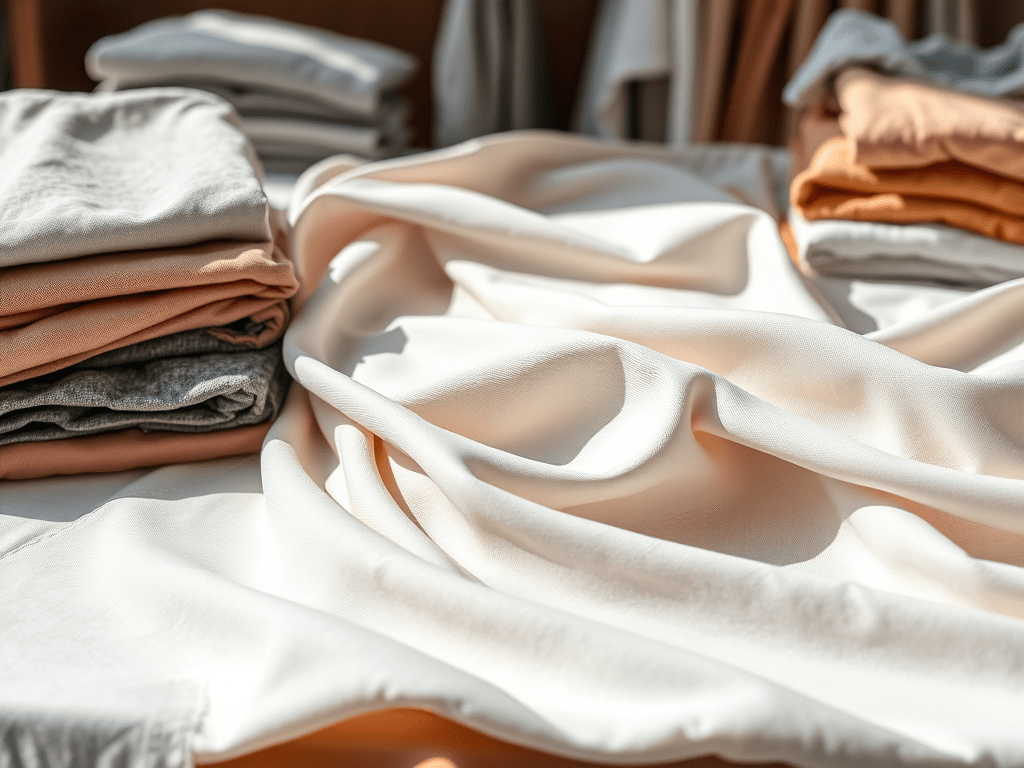

As the fashion industry steadily shifts toward sustainable alternatives, one material is catching the attention of designers, eco-conscious consumers, and textile innovators alike: Lyocell, often branded as TENCEL™ by Austrian company Lenzing AG. Known for its silky softness, excellent moisture management, and impressive environmental profile, Lyocell is redefining what it means to be both luxurious and sustainable.
In this in-depth blog, we’ll explore everything you need to know about Lyocell—how it’s made, where it’s produced, its benefits and limitations, what garments it’s used for, and why it’s becoming a go-to choice for the next generation of fashion.
What is Lyocell (TENCEL™)?
Lyocell is a semi-synthetic fiber made from the cellulose of sustainably sourced wood, such as eucalyptus, beech, oak, and birch. It is part of the rayon family, which includes viscose and modal, but what sets Lyocell apart is its closed-loop production process, making it significantly more eco-friendly.
The brand name TENCEL™ is owned by Lenzing AG, a leading Austrian textile manufacturer and a pioneer in sustainable fiber innovation.
How is Lyocell Made?
The production of Lyocell is a technological marvel in sustainable textile engineering. It involves several steps, all of which minimize environmental harm.
1. Harvesting
- Wood is harvested from sustainably managed forests, certified by bodies like FSC (Forest Stewardship Council) or PEFC (Programme for the Endorsement of Forest Certification).
2. Pulp Production
- The harvested wood is chipped and processed into cellulose pulp.
3. Solvent Treatment
- The pulp is dissolved in a non-toxic organic solvent called N-methylmorpholine N-oxide (NMMO), creating a thick, honey-like solution.
- This is done in a closed-loop system, where 99.5% of the solvent is recovered and reused, significantly reducing waste and pollution.
4. Fiber Spinning
- The solution is pushed through spinnerets to create long fibers, which are then washed, dried, and spun into yarn.
5. Fabric Production
- The yarn is woven or knitted into various types of fabric suitable for everything from athleisure to formalwear.
Where is Lyocell Made?
Lyocell production is largely concentrated in Europe and Asia, especially in regions with well-established textile industries.
Major Producers:
- Austria (Lenzing AG’s headquarters)
- China (multiple Lenzing and non-Lenzing factories)
- India (growing number of eco-textile firms)
- United States (small-scale specialty mills)
Lenzing AG remains the global leader, setting quality and sustainability benchmarks with its proprietary TENCEL™ brand.
Why is Lyocell in High Demand?
Several converging trends are driving Lyocell’s popularity in both high fashion and everyday wear:
1. Sustainability
Lyocell checks every box for eco-conscious consumers:
- Biodegradable
- Low water usage
- Closed-loop solvent system
- Minimal land use compared to cotton
2. Luxury and Comfort
It mimics the softness of silk, the breathability of cotton, and the strength of polyester, making it highly versatile.
3. Performance Qualities
- Naturally moisture-wicking
- Resistant to wrinkles
- Hypoallergenic
- Doesn’t trap odors
4. Brand Adoption
From Zara to Patagonia, H&M Conscious to Eileen Fisher, major global brands are embracing Lyocell for everything from eco-denim to fluid blouses.
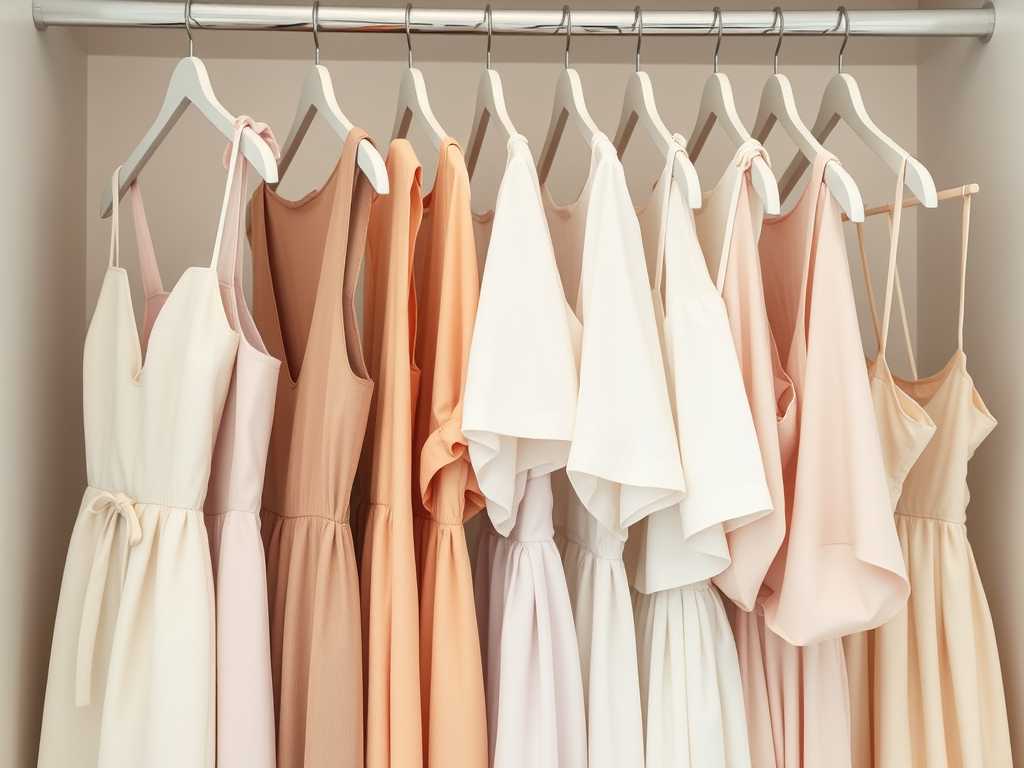
Why is Lyocell (TENCEL™) Costly?
While Lyocell is more sustainable, it is also more expensive than traditional fibers. Here’s why:
1. Advanced Technology
The closed-loop solvent system and controlled chemical processes require specialized infrastructure and higher operational costs.
2. Sourcing Standards
Sustainable forestry certification, transportation, and processing add to raw material expenses.
3. Production Volume
Compared to cotton or polyester, Lyocell is still produced on a smaller scale, limiting economies of scale.
4. Brand Licensing
When using TENCEL™ branded fiber from Lenzing, brands often pay premium licensing fees that contribute to traceability and quality assurance.
5. Certifications
Textiles made from TENCEL™ often come with certifications like OEKO-TEX® or GOTS (when blended), adding another layer of cost—but also consumer trust.
How Comfortable is Lyocell?
Lyocell is among the most comfortable fabrics available today—comparable to bamboo rayon, but often stronger and more sustainable.
Comfort Features:
- Soft as silk, yet naturally breathable
- Excellent for sensitive skin
- Thermoregulating—keeps you cool in summer, warm in winter
- Doesn’t cling or cause itching
- Lightweight yet durable
Its smooth fiber surface absorbs moisture more efficiently than cotton, making it ideal for all-day wear and suitable even for underwear, sheets, and baby clothes.
Seasonal Suitability of Lyocell
Lyocell is a true year-round fabric, but its adaptability depends on the garment design and blend.
Summer:
- Highly breathable and cool to touch
- Perfect for light shirts, dresses, and sleepwear
Monsoon:
- Quick-drying and moisture-wicking, reducing chances of fungal growth or odor
Winter:
- When blended with wool or layered, offers excellent insulation
- Great for loungewear and scarves
Its versatility across temperatures makes it a go-to for minimalists and travelers alike.
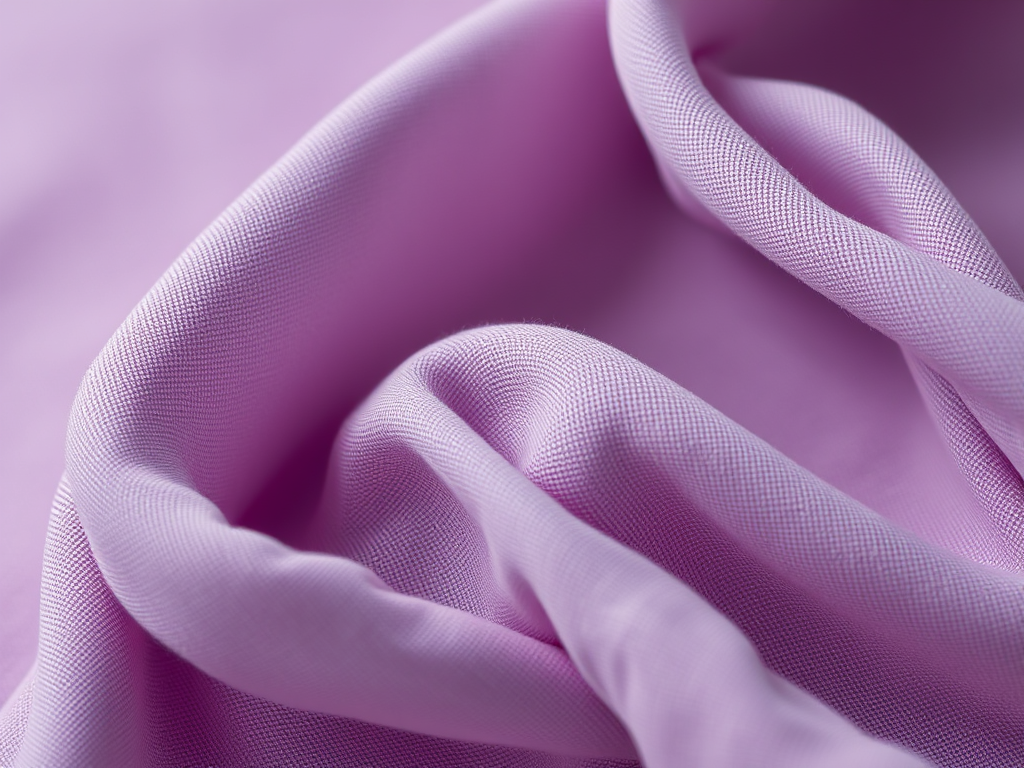
What All Can Be Made from Lyocell?
Lyocell’s smooth texture, tensile strength, and adaptability make it suitable for a wide range of attire:
1. Casual Wear
- T-shirts, crop tops, tunics, shirts
- Dresses with fluid drape
2. Office and Formal Wear
- Tailored trousers
- Blouses
- Midi skirts
- Structured shirts
3. Ethnic and Fusion Wear
- Sustainable sarees
- Draped kurtas and palazzos
- Indo-Western gowns and capes
4. Activewear and Loungewear
- Leggings, yoga tops
- Sleepwear and robes
- Undergarments and bralettes
5. Home Textiles
- Bedsheets and pillow covers
- Towels and bathrobes
- Curtains and cushion covers
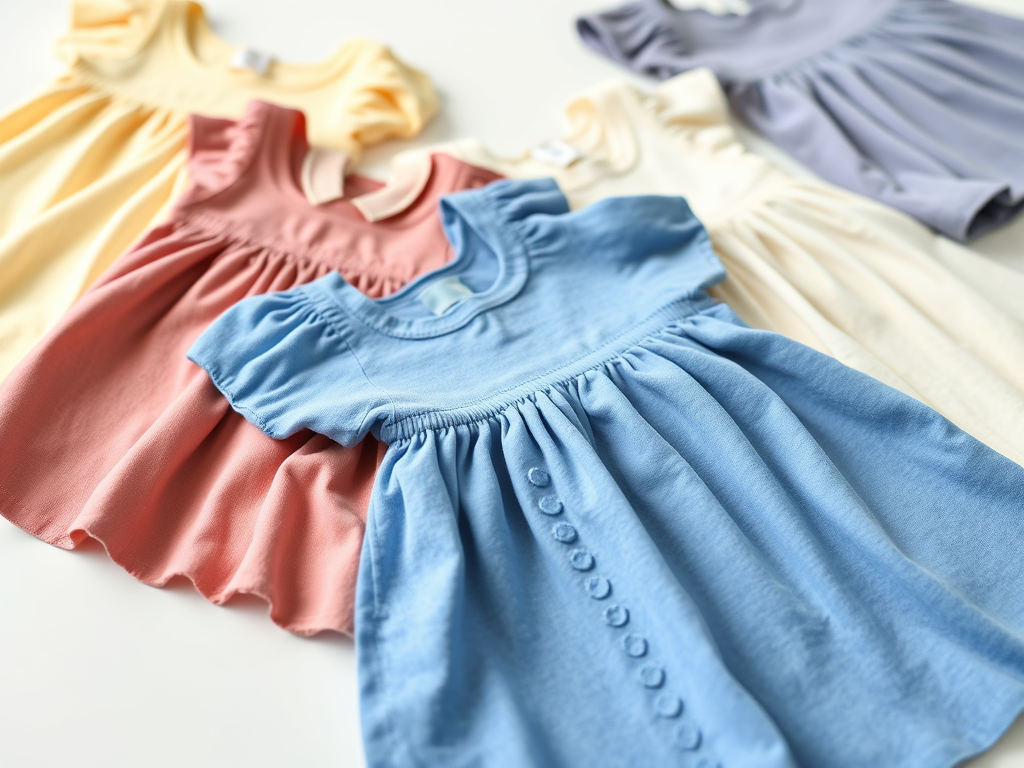
6. Children’s Clothing
- Gentle on skin and breathable, ideal for baby onesies and toddler wear
Many brands also use Lyocell blends to create wrinkle-resistant, stretchable, and fade-resistant garments for daily wear.
Lyocell vs Other Fabrics
| Feature | Lyocell | Cotton | Bamboo Rayon | Polyester |
|---|---|---|---|---|
| Breathability | High | High | High | Medium |
| Moisture-Wicking | Very High | Medium | High | High |
| Biodegradable | Yes | Yes | Yes (partially) | No |
| Eco-Friendliness | Very High | Medium | Medium | Low |
| Wrinkle Resistance | Medium | Low | Medium | High |
| Softness | Very Soft | Medium | Very Soft | Medium |
| Cost | High | Medium | High | Low |
Environmental Benefits of Lyocell
The popularity of Lyocell is rooted in its impressive sustainability credentials:
- Uses 80% less water than cotton
- Closed-loop system recycles 99.5% of solvents
- Low land requirement due to fast-growing trees like eucalyptus
- Biodegradable within months under compost conditions
- Minimal chemical runoff compared to viscose production
- Reduced carbon emissions compared to petroleum-based fabrics
Certifications to Look For
If you’re investing in Lyocell, especially TENCEL™, look for the following certifications:
- TENCEL™ brand label by Lenzing
- OEKO-TEX Standard 100
- FSC or PEFC certification for wood pulp
- Bluesign® certified textiles
- GOTS (if blended with organic cotton)
These assure you that the garment meets high environmental and ethical standards.
Brands Using Lyocell in Fashion
Many global brands are increasingly turning to Lyocell in their collections:
- Allbirds: Uses Lyocell for tees and basics.
- Levi’s: Lyocell-infused denim with better breathability.
- Amour Vert: Eco-luxe brand known for Lyocell-based dresses.
- Zara & H&M Conscious Collection: Affordable and sustainable pieces.
The Rise of Lyocell in Conscious Fashion
Lyocell (especially branded as TENCEL™) is a trailblazer in eco-fabrics, combining luxury, comfort, and sustainability in one beautiful package. While its cost may be higher than conventional textiles, its benefits—both environmental and sensory—make it worth every penny.
Whether you’re revamping your wardrobe, building a capsule closet, or simply buying more consciously, Lyocell garments offer a guilt-free, stylish alternative to fast fashion.

 Panache Palette
Leave a comment