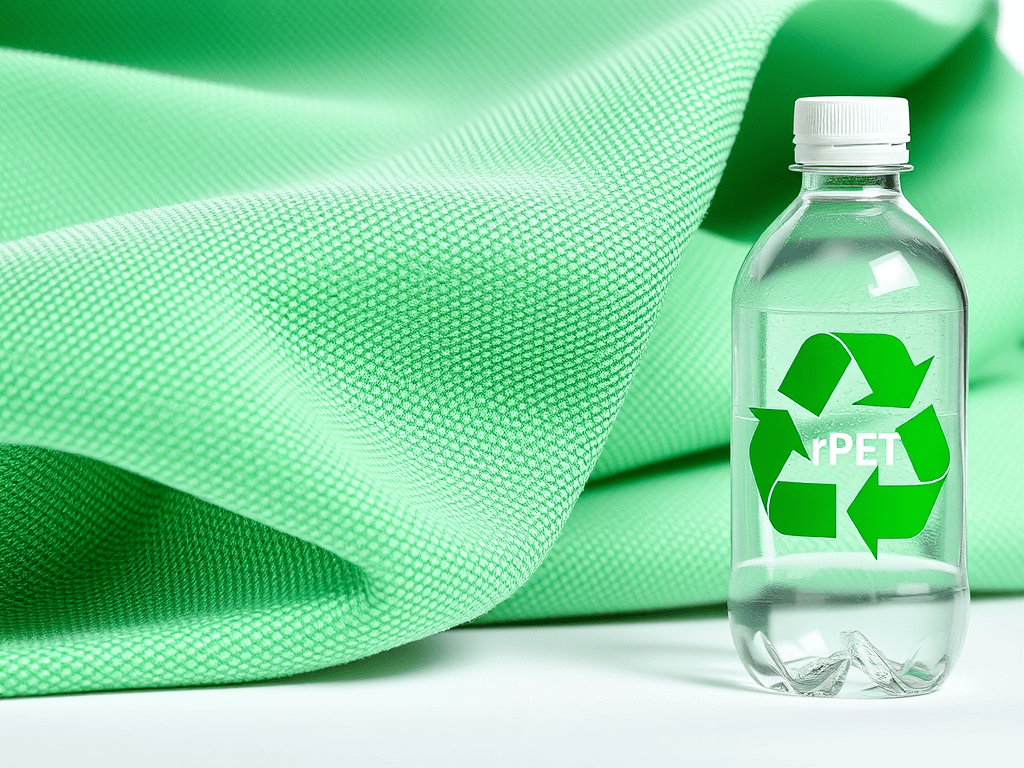

In today’s fashion world, sustainability is no longer a choice—it’s a necessity. As the industry reckons with its massive carbon footprint and plastic waste problem, recycled polyester (rPET) is emerging as a promising alternative. Derived from discarded plastic bottles, food containers, and textile waste, rPET gives a second life to plastic that would otherwise pollute our oceans or fill up landfills.
But how exactly is recycled polyester made? Is it truly sustainable? And why is it becoming such a popular choice among fashion brands and eco-conscious consumers alike?
In this blog, we take an in-depth look at recycled polyester—how it’s produced, its global footprint, comfort and performance levels, the challenges it faces, and what makes it a cornerstone of circular fashion.
What is Recycled Polyester (rPET)?
Recycled polyester, commonly known as rPET, is a man-made fiber created by recycling existing plastic—most often PET (polyethylene terephthalate) plastic, which is used in items like:
- Plastic water bottles
- Soft drink containers
- Food packaging
- Used polyester textiles
The final product is a durable, versatile fabric that mimics the feel and performance of virgin polyester—without relying on fossil fuels.
How is rPET Made?
There are two main methods for producing recycled polyester:
1. Mechanical Recycling
This is the most commonly used method and involves the following steps:
- Collection of used PET products (primarily plastic bottles).
- Sorting to remove non-PET materials.
- Cleaning to eliminate contaminants like labels, residues, and caps.
- Shredding into small plastic flakes.
- Melting the flakes and extruding them into yarn.
Mechanical recycling is energy-efficient and widely adopted but can degrade fiber quality over time.
2. Chemical Recycling
A more advanced (and expensive) method where PET is chemically broken down into its basic molecules and re-polymerized into high-quality polyester.
- Maintains fiber strength better than mechanical recycling.
- Allows recycling of lower-quality PET waste, including dyed fabrics and mixed blends.
- Still under development for large-scale use.
Both processes significantly reduce environmental impact compared to producing new polyester from petroleum.

Where is rPET Made?
Recycled polyester production is a global effort, with major contributions from:
Asia
- China: The largest producer and recycler of PET bottles.
- India: Home to a growing rPET textile sector supported by startups and government incentives.
- Vietnam, Indonesia, and Thailand: Important regional players in textile and rPET yarn production.
Europe
- Countries like Germany, Spain, and Italy are investing in advanced chemical recycling technologies.
- European brands lead in circular design and rPET adoption due to strict environmental laws.
North America
- The U.S. and Canada are expanding rPET operations, driven by consumer demand and recycled content mandates.
Globally, production is concentrated where recycling infrastructure and textile industries are strong.
Why is rPET in High Demand?
The growing interest in rPET fabric is fueled by multiple converging trends:
1. Sustainability Movement
Brands are under pressure to reduce carbon emissions, water usage, and plastic waste. rPET checks all these boxes by:
- Diverting waste from landfills
- Requiring 59% less energy than virgin polyester
- Cutting greenhouse gas emissions by up to 32%
2. Circular Fashion Models
rPET enables circularity by keeping materials in use longer. Clothing can be made, worn, and reprocessed into new garments—again and again.
3. Government Policies
Countries and regions are setting recycling targets, plastic bans, and extended producer responsibility (EPR) laws that incentivize recycled fabrics.
4. Consumer Awareness
Eco-conscious consumers now scrutinize labels. “Recycled” and “sustainable” are no longer buzzwords—they’re purchase drivers.
5. Athleisure Boom
rPET performs well in activewear due to its durability, stretch, and moisture-wicking capabilities.
Why is rPET Expensive?
While it sounds counterintuitive, recycling plastic can be more costly than producing virgin polyester.
Reasons include:
- Collection and Sorting Costs: Gathering, separating, and transporting plastic waste is labor- and time-intensive.
- Cleaning and Processing: Requires water, energy, and technical precision to maintain purity.
- Quality Control: Blended or contaminated plastics reduce fiber quality, raising manufacturing costs.
- Technology Investment: Chemical recycling facilities and closed-loop systems are capital-heavy.
- Smaller Scale: rPET is still a growing market. Lack of mass production keeps prices high.
- Certifications: Many brands choose GRS (Global Recycled Standard) or OEKO-TEX certified rPET, which involves audits and additional expenses.
Despite the higher cost, many brands and consumers are willing to invest in rPET for its long-term environmental benefits.

Comfort and Performance: How Does rPET Feel?
Recycled polyester has similar characteristics to virgin polyester, offering:
- Smooth Texture: Can range from silky soft to coarse, depending on finishing.
- Moisture-Wicking: Draws sweat away, ideal for activewear.
- Quick-Drying: Lightweight and doesn’t retain moisture.
- Wrinkle Resistance: Retains shape even after multiple washes.
- Durability: Resistant to shrinking, stretching, and mildew.
However, comfort can vary depending on the yarn thickness and whether it’s blended with other materials like elastane, cotton, or TENCEL™.
Common Blends:
- rPET + Cotton: Improved breathability and softness.
- rPET + Spandex: Stretch and recovery for sportswear.
- rPET + Wool: Used in winter wear for warmth and durability.
Seasonal Suitability of rPET
Recycled polyester is versatile enough to be worn year-round with the right design and layering:
Summer:
- Works well in moisture-wicking activewear, tank tops, and flowy summer dresses.
- When blended with breathable fibers, it’s light and comfortable.
Monsoon:
- Quick-drying nature makes it ideal for travel and rainy climates.
Winter:
- Heavier knits or rPET fleece provide insulation and warmth.
- Often used in jackets, coats, and inner linings.
It is most comfortable when blended and layered, especially in extremely hot or cold climates.
What Attires Can Be Made from rPET?
rPET is one of the most versatile fabrics in modern fashion, used across a wide spectrum:
1. Casual Wear
- T-shirts
- Blouses
- Shirts
2. Formal and Office Wear
- Blazers
- Trousers
- Dresses
3. Athleisure and Sportswear
- Yoga pants
- Track suits
- Leggings
- Sports bras
4. Outerwear
- Winter jackets
- Puffer coats
- Raincoats
5. Accessories
- Backpacks
- Shoes
- Hats
6. Ethnic and Indo-Western Wear
- Sarees made with rPET blends
- Sustainable kurtas and tunics
- Dupattas and scarves with recycled prints
Many brands are also using rPET for fashion-forward collections that blend style, function, and sustainability.
rPET vs Other Sustainable Fabrics
| Feature | rPET | Organic Cotton | Bamboo Rayon | Hemp |
|---|---|---|---|---|
| Derived From | Plastic Waste | Cotton Plant | Bamboo Plant | Hemp Plant |
| Breathability | Medium | High | High | High |
| Moisture-Wicking | High | Medium | High | Medium |
| Durability | Very High | Medium | Medium | High |
| Sustainability | Medium-High | High | Medium | High |
| Cost | Medium-High | High | High | Medium |
Environmental Impact: Is rPET Really Sustainable?
rPET significantly reduces environmental impact compared to virgin polyester, but it’s not without issues.
Environmental Benefits:
- Reduces plastic waste
- Lower carbon emissions
- Conserves fossil fuels
- Energy-efficient (mechanical recycling)
Limitations:
- Microplastics: Like all synthetics, rPET can shed microfibers during washing.
- Limited Recyclability: rPET fibers degrade with repeated recycling.
- Waste Source: rPET still relies on plastic waste—solving one problem while depending on another.
Despite these challenges, rPET remains one of the most accessible and scalable sustainable alternatives in the current textile landscape.
Certifications to Look For
When purchasing rPET garments, ensure authenticity and ethical sourcing through certifications like:
- Global Recycled Standard (GRS)
- Recycled Claim Standard (RCS)
- OEKO-TEX Standard 100
- bluesign®
These certifications guarantee:
- Minimum recycled content
- Non-toxic processing
- Ethical labor practices
- Transparent sourcing
Leading Brands Using rPET
Many global and Indian brands are incorporating rPET into their collections:
- Patagonia: Uses rPET in outerwear, t-shirts, and bags.
- Adidas: Their “Parley” collection features sneakers and apparel made from ocean plastic.
- H&M Conscious: Affordable rPET garments for mass-market appeal.
- Levi’s: Incorporates rPET in denim and outerwear.
- Puma India: Recycled activewear and footwear.
The Future of rPET in Fashion
Recycled polyester is not a perfect solution, but it is a powerful step toward closing the loop in fashion. As brands continue to innovate with circular models and governments support recycling infrastructure, rPET will play a pivotal role in transforming how we design, produce, and consume clothing.
As a conscious consumer, you can:
- Choose rPET over virgin polyester.
- Look for certified garments.
- Wash clothes in laundry bags that catch microfibers.
- Support brands that prioritize sustainability from source to shelf.
With rPET, fashion has the opportunity to not only look good—but to do good.

 Panache Palette
Leave a comment