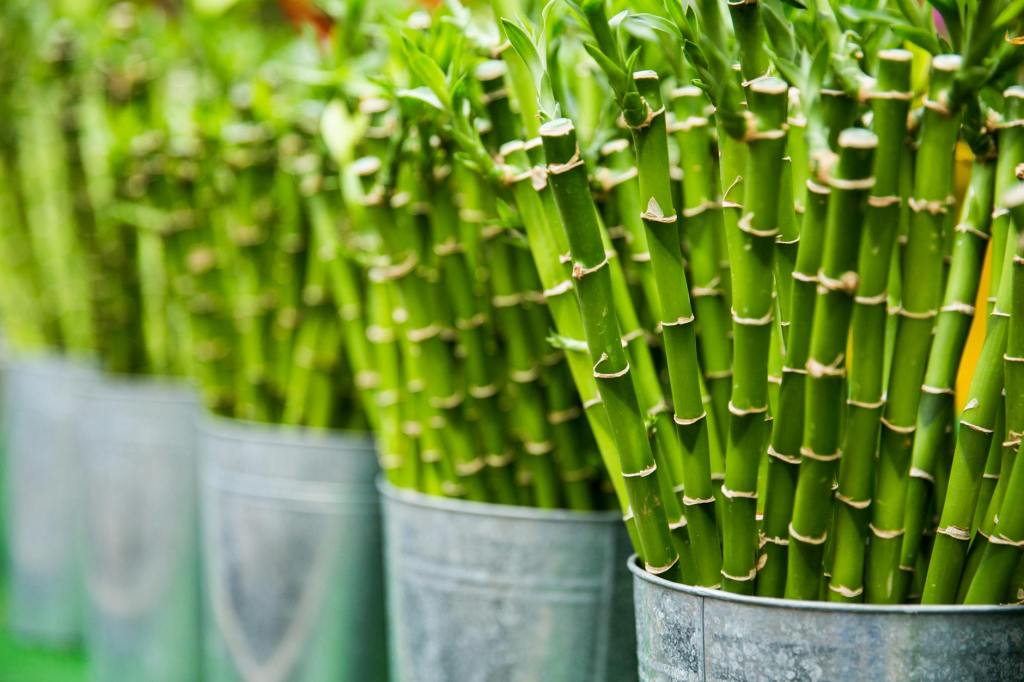
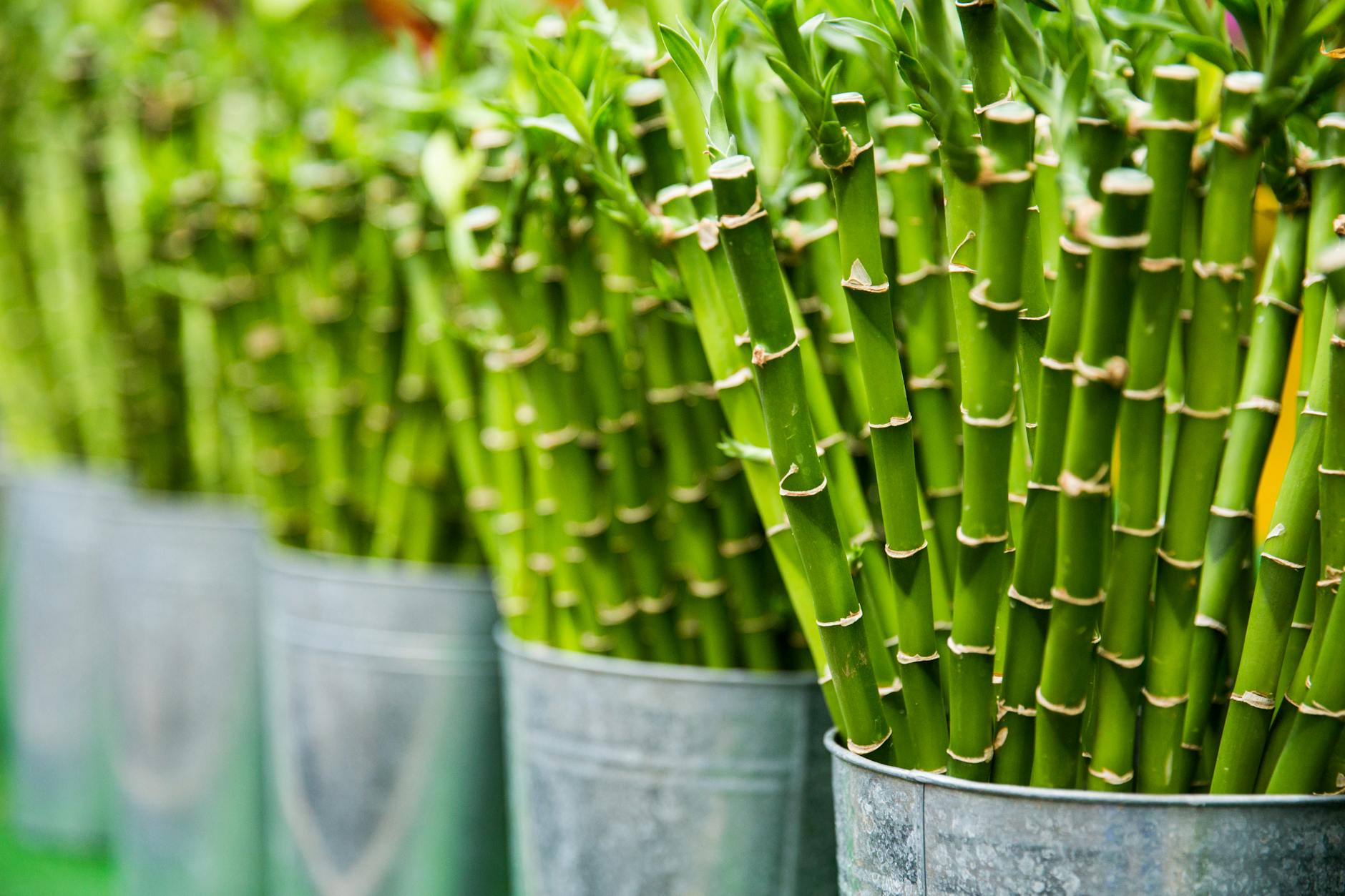
In the ever-evolving world of sustainable fashion, bamboo rayon stands at a fascinating crossroads—where nature meets innovation. Often marketed as a soft, eco-friendly, and luxurious fabric, bamboo-derived rayon has caught the attention of both fashion designers and conscious consumers. But beneath its silky sheen lies a complex journey—from towering bamboo stalks to your favorite flowy summer dress.
So what exactly is bamboo rayon? How is it made? And why does it command a premium price despite being plant-based?
In this blog, we unravel everything you need to know about bamboo rayon material—from its creation to its comfort, from its seasonal adaptability to its environmental impact.
What is Bamboo Rayon?
Bamboo rayon is a type of regenerated cellulose fiber made from the pulp of bamboo plants. It’s not a natural fiber like cotton or wool, nor is it fully synthetic like polyester. Instead, it’s a semi-synthetic fabric created through a chemical process that transforms bamboo pulp into viscose fibers.
Other terms you may come across include:
- Bamboo viscose
- Bamboo modal
- Bamboo lyocell (a more eco-friendly variant)
Though all are bamboo-based, the process and environmental impact can vary significantly depending on how the fabric is made.
How is Bamboo Rayon Made?
Creating bamboo rayon involves a multi-step process that turns bamboo stalks into silky threads:
1. Harvesting Bamboo
Bamboo grows exceptionally fast—some species can grow up to 3 feet per day. It requires no fertilizers or pesticides and regenerates naturally after harvesting.
2. Pulping
The harvested bamboo is crushed and soaked in a solution to break it down into a mushy pulp. This can be done using chemical (viscose), semi-mechanical (modal), or closed-loop systems (lyocell).
3. Dissolving Pulp into Cellulose
In the traditional viscose process, the bamboo pulp is treated with chemicals like sodium hydroxide and carbon disulfide to extract cellulose—the building block of rayon.
4. Extrusion
The dissolved cellulose is forced through spinnerets (like a showerhead) to create fine fibers.
5. Spinning and Weaving
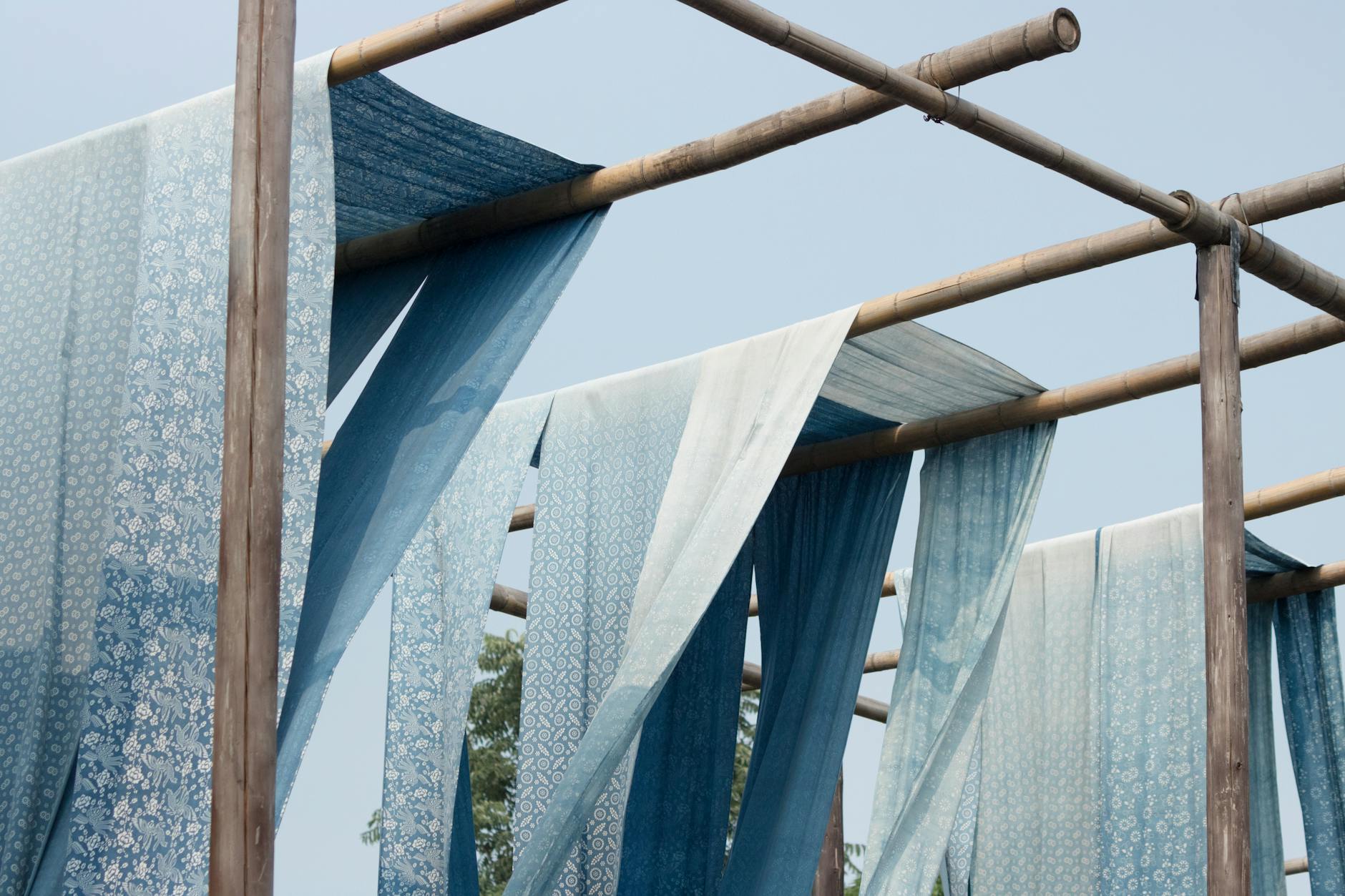
These fibers are then spun into yarn, dyed, and woven into the final textile we know as bamboo rayon.
Important Note:
While bamboo is an inherently sustainable crop, the traditional viscose process is chemically intensive and not always environmentally friendly unless done in a closed-loop system.
Where is Bamboo Rayon Produced?
The majority of bamboo rayon is produced in Asia, where both the raw bamboo and manufacturing facilities are abundant. Key players include:
- China: The largest producer of bamboo and bamboo-based textiles.
- India: Emerging market with several eco-conscious fashion labels incorporating bamboo rayon.
- Indonesia & Vietnam: Known for both bamboo cultivation and textile processing.
- United States & Europe: Typically import the fabric or finished garments, although small-scale sustainable brands are beginning to innovate locally.
Why is Bamboo Rayon in High Demand?
Bamboo rayon is popular for a variety of reasons, both aesthetic and ethical:
1. Unmatched Softness
Often compared to silk or cashmere, bamboo rayon has a buttery smooth texture that feels luxurious on the skin.
2. Breathability
The fabric is naturally breathable and moisture-wicking, making it ideal for warm climates or activewear.
3. Hypoallergenic
Gentle on sensitive skin, bamboo rayon resists allergens, bacteria, and odors better than many conventional fabrics.
4. Drape and Fall
The fabric has a beautiful drape that makes it a favorite for dresses, sarees, scarves, and evening wear.
5. Eco-Marketing Appeal
Consumers are increasingly choosing bamboo rayon due to its association with sustainability—even if the production process may vary in actual impact.
Why is Bamboo Rayon Costly?
Despite bamboo’s abundance and rapid growth, bamboo rayon fabric often comes with a higher price tag. Here’s why:
1. Chemical Processing
The transformation of bamboo into rayon is complex and requires chemicals, equipment, and skilled labor.
2. Closed-Loop Technology
Eco-friendly versions of bamboo rayon, like lyocell, involve closed-loop systems that recycle 99% of solvents—these are more expensive to operate but better for the environment.
3. Certifications and Quality
GOTS (Global Organic Textile Standard), OEKO-TEX, and FSC certifications add to the production cost but ensure ethical practices.
4. Low Waste Tolerance
Bamboo rayon tends to wrinkle easily and must be handled carefully during manufacturing and tailoring, increasing labor intensity.
5. Niche Market
Because bamboo rayon is still an emerging fabric, it doesn’t benefit from mass production cost reductions.
How Comfortable is Bamboo Rayon?
Comfort is where bamboo rayon truly shines. It is often described as one of the most pleasant fabrics to wear.
Comfort Features:
- Softness: Comparable to high-end silk or modal
- Breathability: Keeps the skin cool and dry
- Thermal Regulation: Naturally adjusts to body temperature
- Lightweight Feel: Ideal for daily wear
- Stretch and Flow: Adds elegance to the design and ease of movement
Its skin-friendliness makes it a top choice for:
- Baby clothing
- Loungewear
- Undergarments
- Summer fashion
- Maternity wear
Ideal Season for Bamboo Rayon
Bamboo rayon is primarily a summer-friendly material but works well across seasons with variations in weave and layering.
Summer:
- Moisture-wicking
- Breathable
- Cool to touch
Monsoon:
- Odor-resistant and quick-drying
- Light and airy, which helps combat humidity
Winter:
- In heavier knits or blends, it retains warmth
- Works well as an inner layer or lining
In tropical and subtropical climates like India, Southeast Asia, and parts of Africa, bamboo rayon is ideal almost year-round.
What Attires Can Be Made from Bamboo Rayon?
Bamboo rayon’s versatility in design and function makes it suitable for a wide range of clothing styles:
1. Casual Wear
- T-shirts
- Tops
- Tunics
- Shorts
2. Ethnic Wear
- Sarees with graceful fall
- Kurtas and dupattas
- Indo-western dresses
3. Loungewear and Sleepwear
- Pajamas
- Robes
- Slips and camisoles
4. Activewear
- Yoga pants
- Sports bras
- Leggings
5. Baby and Maternity Clothing
- Rompers
- Bodysuits
- Nursing wraps
6. Formal and Evening Wear
- Draped gowns
- Flowing maxi dresses
- Scarves and shawls
Bamboo Rayon vs. Other Fabrics
| Feature | Bamboo Rayon | Cotton | Polyester | Silk |
|---|---|---|---|---|
| Softness | Very High | Medium-High | Low | Very High |
| Breathability | High | High | Low | Medium |
| Moisture-wicking | High | Medium | High | Medium |
| Wrinkle Resistance | Moderate | Low | High | Low |
| Sustainability | Medium to High* | Low to Medium | Low | Medium |
| Cost | Medium-High | Low | Low | High |
*Depends on processing method.
Environmental Impact of Bamboo Rayon
Here’s where bamboo rayon gets a mixed report card.
Pros:
- Bamboo cultivation is low impact: no irrigation, pesticides, or replanting required.
- Biodegradable and compostable in its pure form.
- Uses less land compared to cotton.
Cons:
- The viscose process uses harmful chemicals unless done in a closed-loop system.
- Some bamboo rayon is greenwashed as eco-friendly despite being chemically processed.
- Lack of transparency in supply chains can be an issue.
Look For:
- OEKO-TEX 100 certification
- Bamboo lyocell over viscose
- Brands that disclose sourcing and processing
Innovations in Bamboo Fabric Technology
The future of bamboo rayon is evolving with technological advancements:
- Bamboo Lyocell: Produced using a closed-loop system with non-toxic solvents. Branded versions like TENCEL™offer supreme sustainability and comfort.
- Organic Bamboo: Grown without chemicals and used in minimal-intervention processes.
- Blends with Organic Cotton or Hemp: Improve strength and reduce ecological impact.
Brands like Boody, Thought Clothing and Cariloha are leading examples of fashion labels using bamboo responsibly.
Challenges and Ethical Considerations
Despite its many benefits, bamboo rayon production must overcome:
- Chemical Waste Concerns: Especially in traditional viscose methods
- Labor Issues: Some production facilities in Asia lack worker protections
- Transparency: Greenwashing remains common
- Consumer Education: People often confuse bamboo rayon with natural bamboo fiber
The Promise and Pitfalls of Bamboo Rayon
Bamboo rayon is a fabric that feels as good as it looks—fluid, breathable, and naturally luxurious. It carries the promise of environmental responsibility, but only when produced with care and transparency. As a consumer, asking the right questions, reading labels, and supporting ethical brands are key to ensuring the material lives up to its sustainable reputation.
Whether you’re choosing bamboo rayon for comfort, style, or conscience, it’s a step toward cleaner, smarter fashion.

 Panache Palette
Leave a comment