In the growing conversation around sustainable fashion, hemp material has emerged as a front-runner—an ancient fiber with modern-day appeal. Often misunderstood due to its association with cannabis, hemp is, in fact, one of the most eco-friendly and durable textiles known to humanity. Its rise in fashion, home textiles, and accessories signals a conscious shift toward ethical living and circular production models.
From ancient civilizations to today’s eco-luxe runways, hemp has undergone a remarkable journey. But what makes hemp so special? How is it produced? Why does it cost more? And is it really as comfortable and versatile as it claims to be?
Let’s explore the world of hemp fabric—a sustainable solution with a rich past and a promising future.
What is Hemp Material?
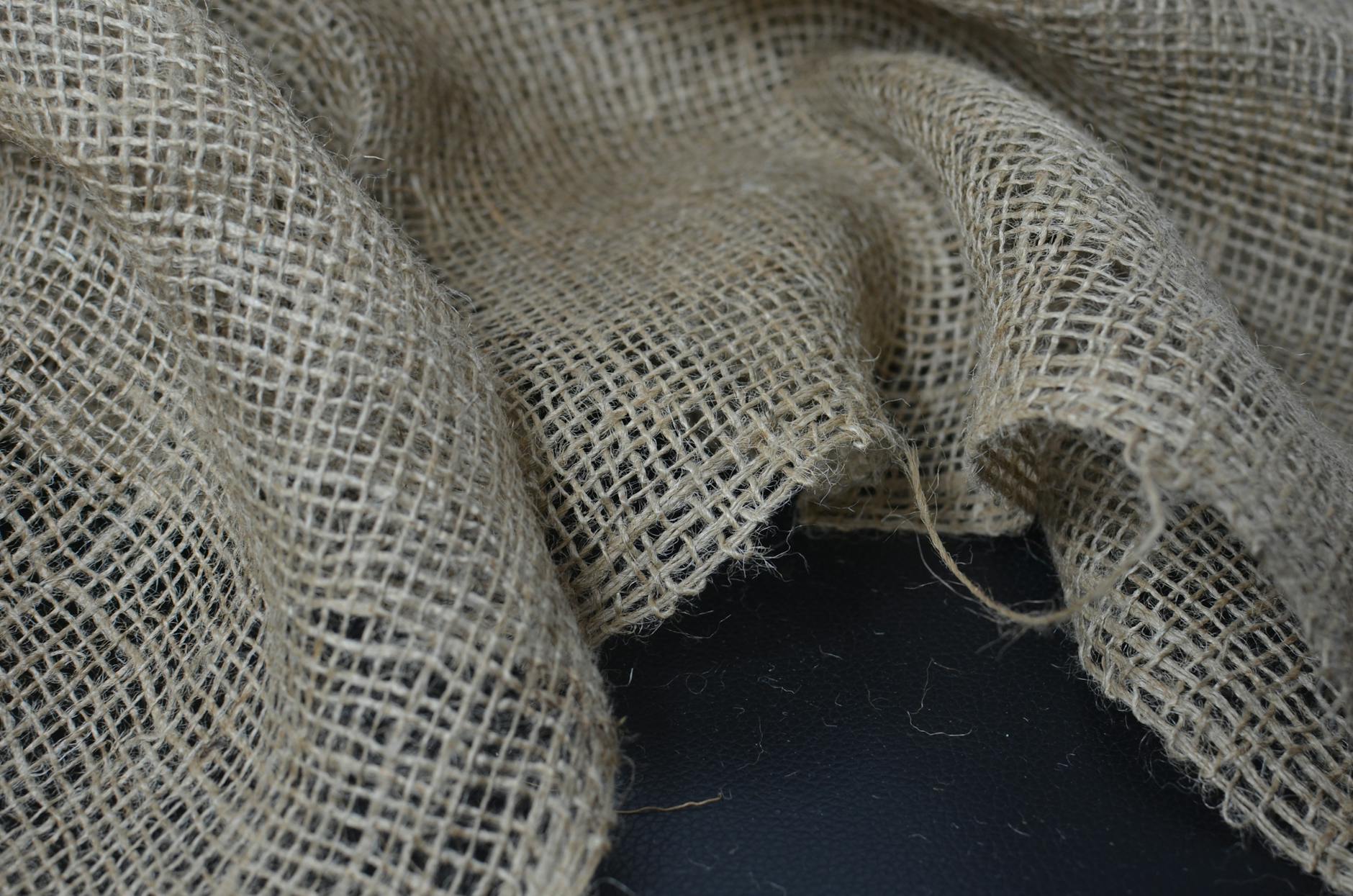
Hemp is a natural fiber derived from the stalks of the Cannabis sativa plant. Unlike its psychoactive cousin marijuana, hemp grown for industrial use contains less than 0.3% THC, making it non-intoxicating and perfectly legal in many countries.
When processed for fabric, hemp produces a textile that is:
- Strong and durable
- Breathable and antibacterial
- Biodegradable and UV-resistant
Used for thousands of years in ropes, sails, and clothing, hemp is now being rediscovered as a luxury eco-fabric in sustainable fashion circles.
How is Hemp Fabric Made?
The production of hemp fabric is relatively low-impact compared to cotton or synthetic alternatives. The process involves several natural steps:
1. Cultivation
Hemp is typically grown without pesticides or herbicides due to its natural resistance to pests. It also requires significantly less water than cotton and grows quickly—reaching maturity in just 3 to 4 months.
2. Harvesting
Hemp stalks are harvested when the plant matures. These stalks are the primary source of bast fibers used to make fabric.
3. Retting
The stalks are soaked in water (either in fields, tanks, or through enzymatic methods) to loosen the pectin that binds the fibers together. This allows separation of the fibers from the woody core.
4. Decortication
The bast fibers are separated from the inner core and cleaned. This is often done using mechanical or manual methods.
5. Spinning and Weaving
The fibers are spun into yarns and woven into textiles. Modern hemp processing blends traditional methods with innovations for finer and softer fabrics.
6. Finishing
Hemp fabric may be dyed using natural or low-impact dyes. Organic and eco-conscious brands avoid bleach and harsh chemicals in the finishing process.
Where is Hemp Fabric Produced?
Hemp is grown and processed in several regions across the globe, with the top producers being:
- China: The world’s largest producer of hemp textiles, with centuries of cultivation experience.
- India: An emerging player with strong government support for hemp textiles, particularly in the Himalayan belt.
- France: Europe’s leading producer of hemp for both textiles and industrial use.
- Canada: Focuses mainly on hemp seeds but is expanding into fiber production.
- United States: Legalized industrial hemp in 2018; rapidly growing a domestic hemp textile industry.
Other countries like Nepal, Romania, and Ukraine also produce high-quality hemp fabrics using traditional methods.
Why is Hemp Fabric in High Demand?
Hemp has rapidly gained popularity in fashion and lifestyle industries. Its appeal is rooted in both eco-conscious values and performance benefits:
1. Sustainability
- Hemp is one of the most eco-friendly crops: it grows fast, regenerates the soil, and uses minimal water.
- It captures more CO₂ per acre than most forested areas.
- It’s fully biodegradable, leaving no toxic residue behind.
2. Durability
Hemp fibers are stronger than cotton, making garments more long-lasting and tear-resistant. One of the few fabrics that gets softer with each wash while retaining strength.
3. Comfort
Despite its durability, modern hemp fabrics are:
- Breathable
- Soft (when blended or enzymatically processed)
- Temperature-regulating
4. Versatility
Hemp blends well with other fibers like cotton, silk, and lyocell, making it a flexible material for a wide range of products.
5. Antibacterial and UV-Resistant
Hemp resists mold, mildew, and odors, making it ideal for innerwear and activewear. It also offers natural protection against harmful UV rays.
Why is Hemp Fabric Expensive?
Though environmentally superior, hemp fabric is often pricier than cotton or synthetic materials. Here’s why:
1. Limited Infrastructure
Compared to cotton, there are fewer hemp processing mills worldwide. The supply chain for hemp is still developing in many regions.
2. Labor-Intensive Processing
Retting and decortication of hemp stalks are time-consuming and require specialized equipment or labor.
3. Regulatory Hurdles
In some countries, hemp cultivation is still restricted or heavily regulated, limiting production.
4. Low Demand vs. Supply
As a niche market, hemp textiles don’t benefit from the cost reductions that come with mass production.
Despite these costs, conscious consumers see the long-term value in investing in hemp for its durability, sustainability, and health benefits.
How Comfortable is Hemp Fabric?
One common misconception is that hemp is rough or scratchy. While untreated hemp may feel coarse initially, modern processing techniques have transformed it into a soft and breathable fabric, suitable for even the most sensitive skin.
Comfort Features:
- Moisture-wicking: Keeps you dry even on humid days.
- Thermoregulating: Feels cool in summer and warm in winter.
- Breathable: Allows airflow and prevents bacterial buildup.
- Softens Over Time: Like fine denim or linen, hemp grows softer with every wash.
Best Seasons to Wear Hemp
Hemp fabric adapts beautifully across seasons, offering year-round comfort:
Summer:
- Light and breathable
- Wicks away sweat
- Keeps the body cool
Monsoon:
- Quick drying and antibacterial
- Prevents odor and fungal growth
Winter:
- Acts as a natural insulator
- Works well in heavier weaves or when blended with wool or cotton
This makes hemp a multi-season staple, ideal for everything from summer dresses to winter jackets.
Types of Clothing Made with Hemp
With hemp’s newfound versatility, designers are creating garments that are both stylish and sustainable. Common categories include:
1. T-shirts and Shirts
Soft and moisture-wicking, hemp tees and casual shirts are ideal for everyday wear.
2. Pants and Trousers
Strong and shape-retentive, hemp pants work well for both casual and formal settings.
3. Dresses and Skirts
Lightweight hemp blends are great for boho-inspired dresses and summer skirts.
4. Activewear
Naturally antibacterial and odor-resistant, hemp is gaining traction in the yoga and athleisure world.
5. Jackets and Outerwear
Hemp’s strength makes it perfect for structured jackets, trench coats, and utility vests.
6. Ethnic Wear
Indian brands are reimagining hemp in traditional silhouettes like kurtas, sarees, and tunics, often paired with natural dyes and hand embroidery.
7. Accessories
Hemp is used in bags, hats, belts, and even shoes due to its strength and aesthetics.
Hemp Beyond Fashion
Hemp’s versatility extends well beyond garments:
- Home Furnishings: Curtains, bed linen, upholstery, rugs
- Industrial Use: Rope, sailcloth, biodegradable packaging
- Beauty and Wellness: Hemp oil for skincare and wellness
- Paper and Plastics: Hemp pulp is used to make eco-friendly paper and bio-plastics
The entire hemp plant—from seed to stalk—can be utilized, making it a zero-waste crop.
Hemp vs. Other Natural Fibers
| Feature | Hemp | Cotton | Linen | Bamboo |
|---|---|---|---|---|
| Water Use | Very Low | High | Moderate | Moderate |
| Pesticides | Rarely Needed | Heavily Used | Low | Varies |
| Durability | High | Moderate | High | Low |
| Biodegradability | Excellent | Good | Good | Moderate |
| Skin Comfort | High (softens over time) | High | High | High |
Challenges Facing the Hemp Industry
Despite its promise, hemp fabric faces several barriers:
- Regulatory issues: Legal confusion due to cannabis associations
- Consumer education: Many still associate hemp with rough textures or illegal substances
- Production costs: Higher due to limited processing facilities
- Supply chain gaps: Fragmented systems hinder scalability
For hemp to reach its full potential, it will require supportive legislation, investment in technology, and continued consumer awareness.
The Future of Hemp in Sustainable Fashion
The global shift toward sustainability is undeniable. As climate change, resource scarcity, and ethical concerns drive the need for alternatives, hemp offers a scalable, versatile, and eco-conscious solution.
From emerging Indian brands like BOHECO (Bombay Hemp Company) and Hemp Fabric Lab, to international trailblazers like Tact & Stone, Hemp Tailor, and Thought Clothing, designers are proving that green can be glamorous.
Final Thoughts: The Return of the Green Giant
Hemp may be one of the oldest cultivated plants, but its future in sustainable fashion is just beginning. With its unbeatable combination of strength, comfort, environmental benefits, and ethical production, hemp stands as a beacon of hope for a fashion industry in need of transformation.
Whether you’re a designer, a conscious consumer, or simply a lover of natural fibers, embracing hemp means embracing a cleaner, more equitable world.

 Panache Palette
Leave a comment