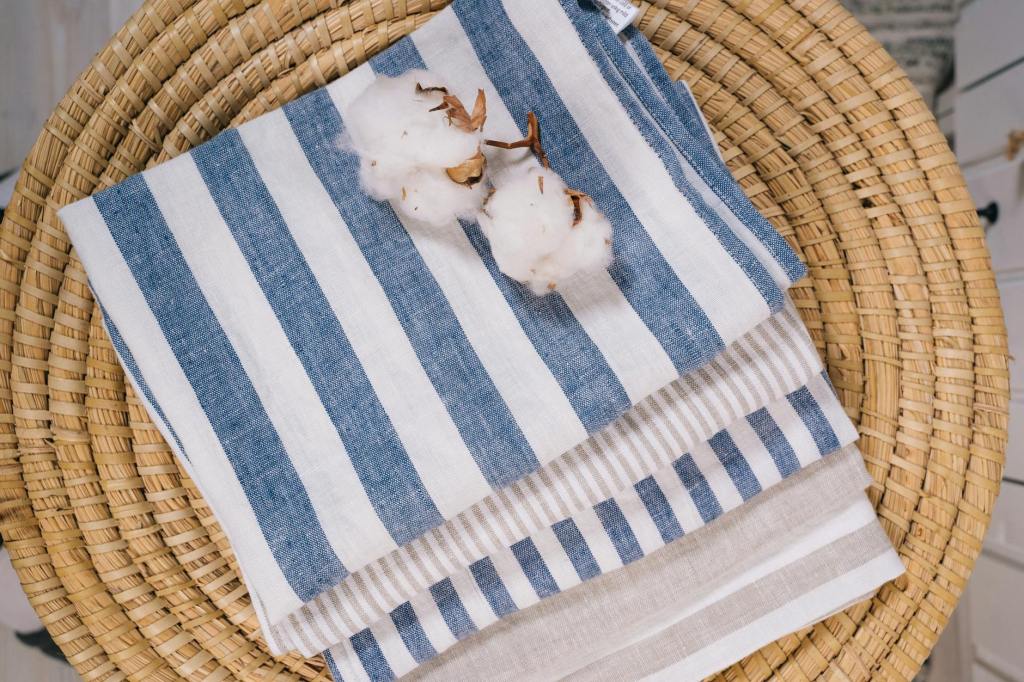
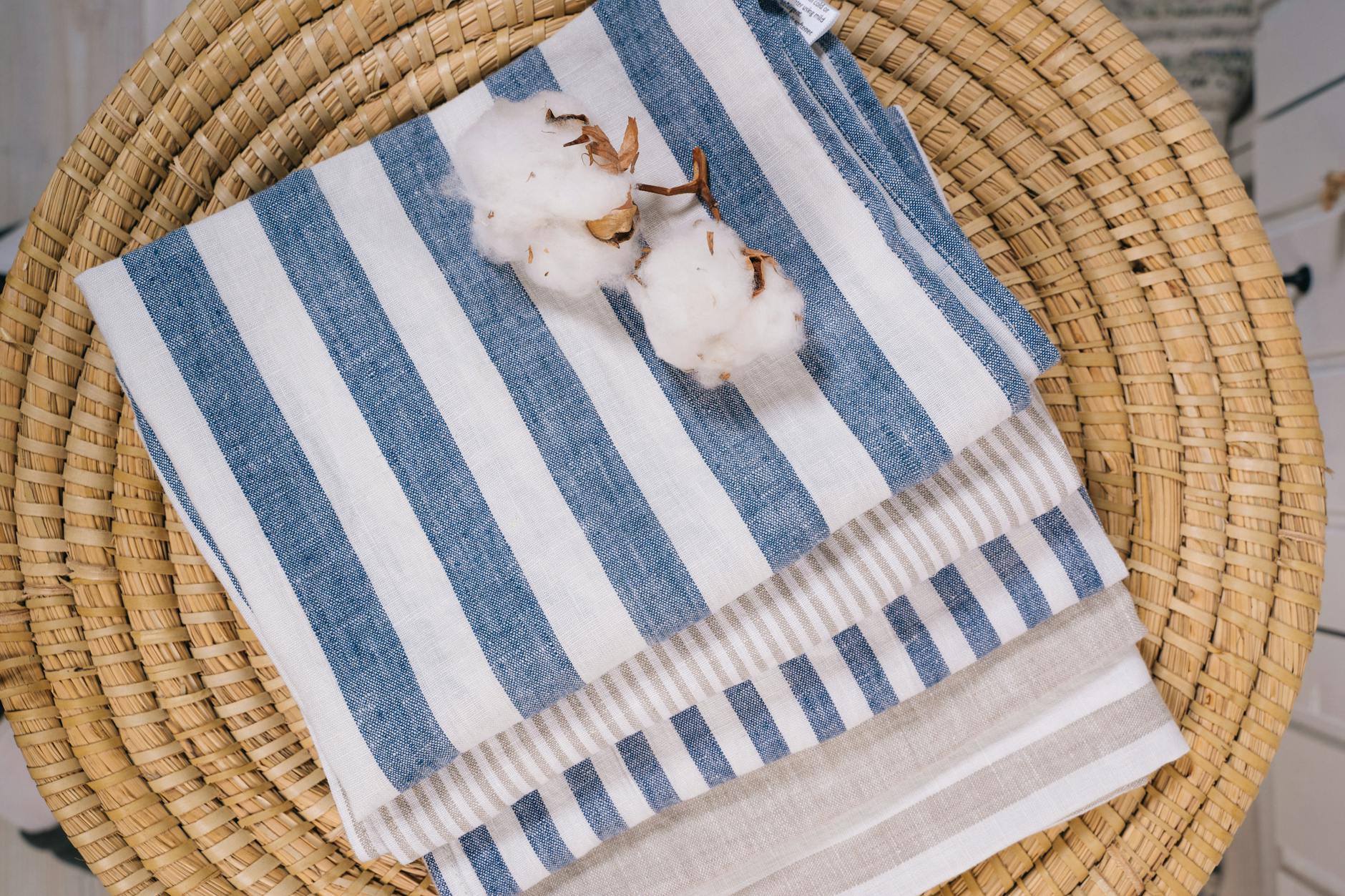
In recent years, the fashion industry has undergone a much-needed shift toward sustainability. Among the most significant developments is the growing popularity of organic cotton—a fabric hailed for its gentleness on both skin and the planet. As awareness of environmental and ethical concerns increases, organic cotton has emerged as a symbol of conscious consumption.
But what exactly is organic cotton? How is it different from conventional cotton? Why does it cost more? And what makes it so desirable, especially in today’s climate-conscious fashion world?
This blog dives deep into the world of organic cotton, exploring how it’s made, where it comes from, and why it’s a textile the world can’t stop talking about.
What is Organic Cotton?
Organic cotton is a type of cotton grown without the use of synthetic pesticides, fertilizers, or genetically modified organisms (GMOs). It relies on natural processes that protect the environment and the health of farmers and consumers. The focus is on sustainability, biodiversity, and soil health.
Unlike conventional cotton—which is among the most chemically intensive crops in the world—organic cotton is grown in a way that:
- Uses less water
- Encourages crop rotation
- Reduces greenhouse gas emissions
- Promotes fair labor practices
How is Organic Cotton Made?
The production of organic cotton involves several sustainable and eco-conscious practices. Here’s a look at the journey:
1. Seed Selection
Organic cotton begins with non-GMO seeds. These seeds are untreated and natural, preserving biodiversity and local farming ecosystems.
2. Soil Preparation
Farmers use compost, natural manure, and crop rotation to maintain soil fertility instead of chemical fertilizers. This leads to healthier, more resilient soil.
3. Pest Control
Rather than synthetic pesticides, organic cotton farming uses natural pest control methods like:
- Neem oil sprays
- Companion planting
- Beneficial insects (ladybugs, wasps)
4. Water Management
Organic cotton generally uses rain-fed water systems and practices like mulching to retain moisture, significantly reducing the crop’s water footprint.
5. Harvesting
Cotton is handpicked in many organic farms, especially in countries like India. This gentle method protects the fibers from damage and supports local employment.
6. Processing
The cotton is processed without toxic dyes, heavy metals, or chlorine bleaching. Eco-friendly and closed-loop systems are often used.
Certifications to look for:
- GOTS (Global Organic Textile Standard)
- OEKO-TEX Standard 100
- Fairtrade
- Organic Content Standard (OCS)
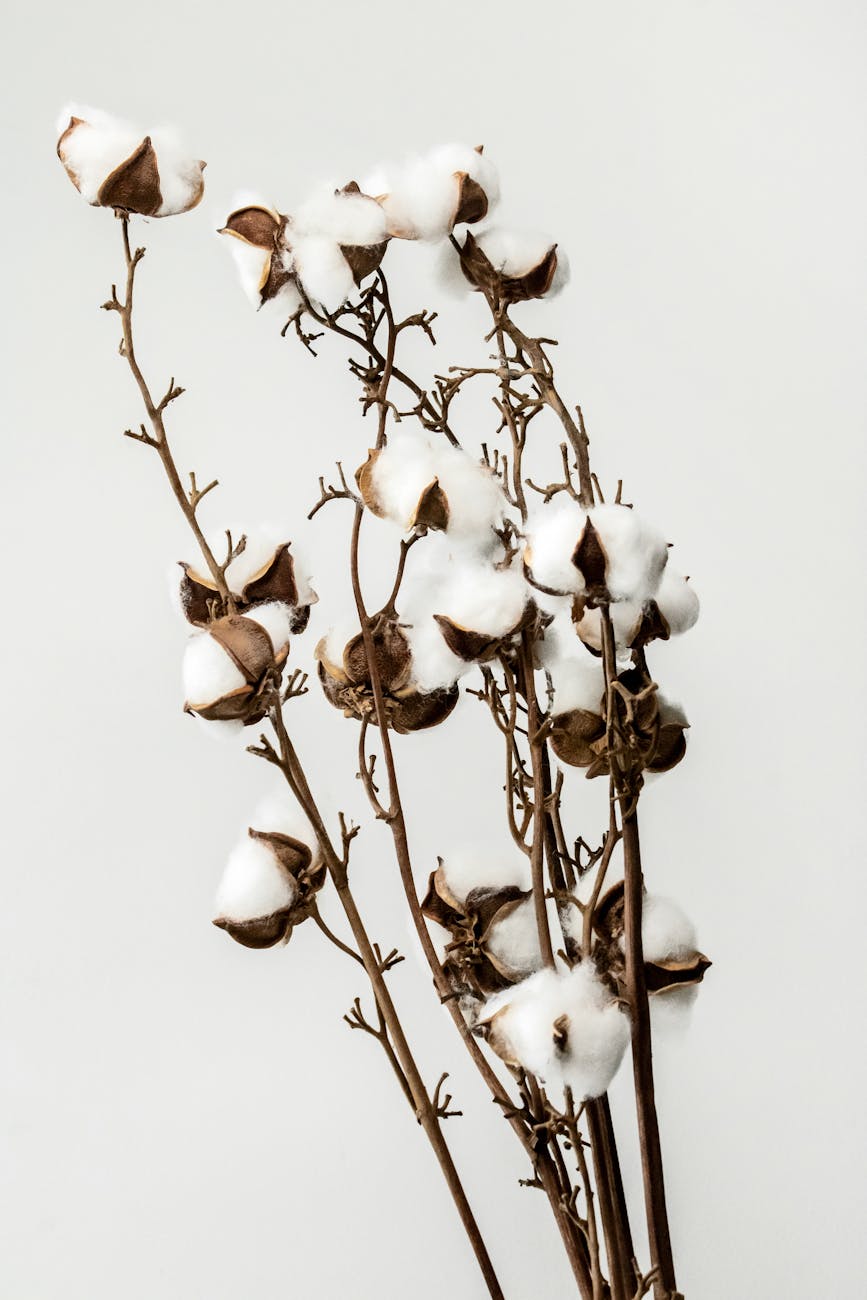
Where is Organic Cotton Produced?
Though cotton is grown in over 80 countries, only a small fraction qualifies as organic. The top producers include:
- India – The largest producer of organic cotton, known for small-scale farmers and sustainable cooperatives.
- Turkey – Renowned for high-quality organic cotton textiles.
- China – A growing player in sustainable cotton farming.
- Kyrgyzstan and Tajikistan – Emerging organic cotton markets.
- United States – Particularly Texas, with mechanized and certified organic farms.
These countries are home to certified organic cotton farms that adhere to international environmental and labor standards.
Why is Organic Cotton in High Demand?
Organic cotton has rapidly gained popularity across fashion, home textiles, and baby products. The reasons are multifaceted:
1. Environmental Concerns
Consumers are becoming increasingly aware of the negative environmental impact of conventional cotton, which contributes to:
- Soil degradation
- Water pollution
- High pesticide usage
Organic cotton offers a sustainable alternative.
2. Health and Skin Safety
Free from harsh chemicals and bleaches, organic cotton is:
- Hypoallergenic
- Gentle on sensitive skin
- Ideal for babies and people with allergies
3. Ethical and Fair Trade Practices
Organic cotton production often supports:
- Fair wages for farmers
- Safe working conditions
- Women’s participation in farming communities
4. Conscious Consumerism
Shoppers now prioritize transparency and ethics, pushing brands to adopt sustainable fabrics like organic cotton.
Why is Organic Cotton Expensive?
Organic cotton is typically 20–40% more expensive than its conventional counterpart. Several factors contribute to this:
1. Labor-Intensive Farming
Hand-picking, composting, and manual pest control require more labor than industrial farming.
2. Lower Yields
Organic farming avoids growth boosters, leading to smaller harvests per acre.
3. Certification Costs
Obtaining GOTS or Fairtrade certifications involves rigorous audits, which cost time and money.
4. Limited Supply
As demand rises, the supply of organic cotton remains relatively limited compared to conventional cotton.
Despite its price, consumers are willing to invest due to the quality, ethics, and environmental benefits.
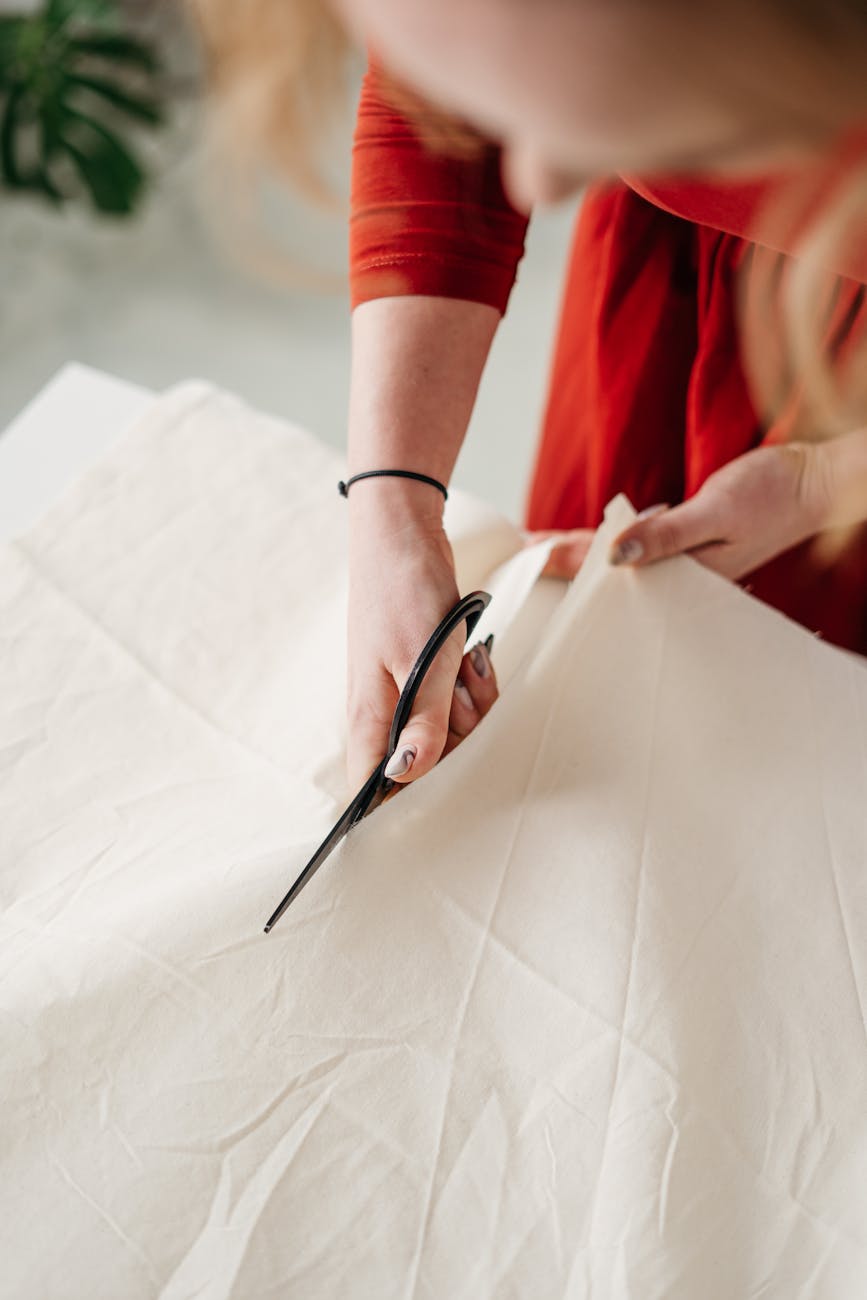
Comfort and Wearability of Organic Cotton
One of the major advantages of organic cotton is its exceptional comfort. It’s a breathable, soft, and skin-friendly fabric—ideal for prolonged wear.
Why it’s so comfortable:
- No chemical residues that may cause irritation
- Naturally soft texture due to gentle harvesting
- Better moisture-wicking than synthetic fabrics
Suitable for:
- Everyday wear
- Innerwear
- Baby clothing
- Bedsheets and towels
- Athleisure and sleepwear
Ideal Seasons to Wear Organic Cotton
Organic cotton is especially popular during warmer months due to its cooling and breathable nature.
Summer:
- Keeps the body cool
- Allows air circulation
- Absorbs sweat
Monsoon:
- Quick-drying
- Lightweight
- Doesn’t cling to the body
Winter (with layering):
- Can be worn as innerwear or layered with wool
Organic cotton’s versatility across seasons makes it a reliable wardrobe staple.
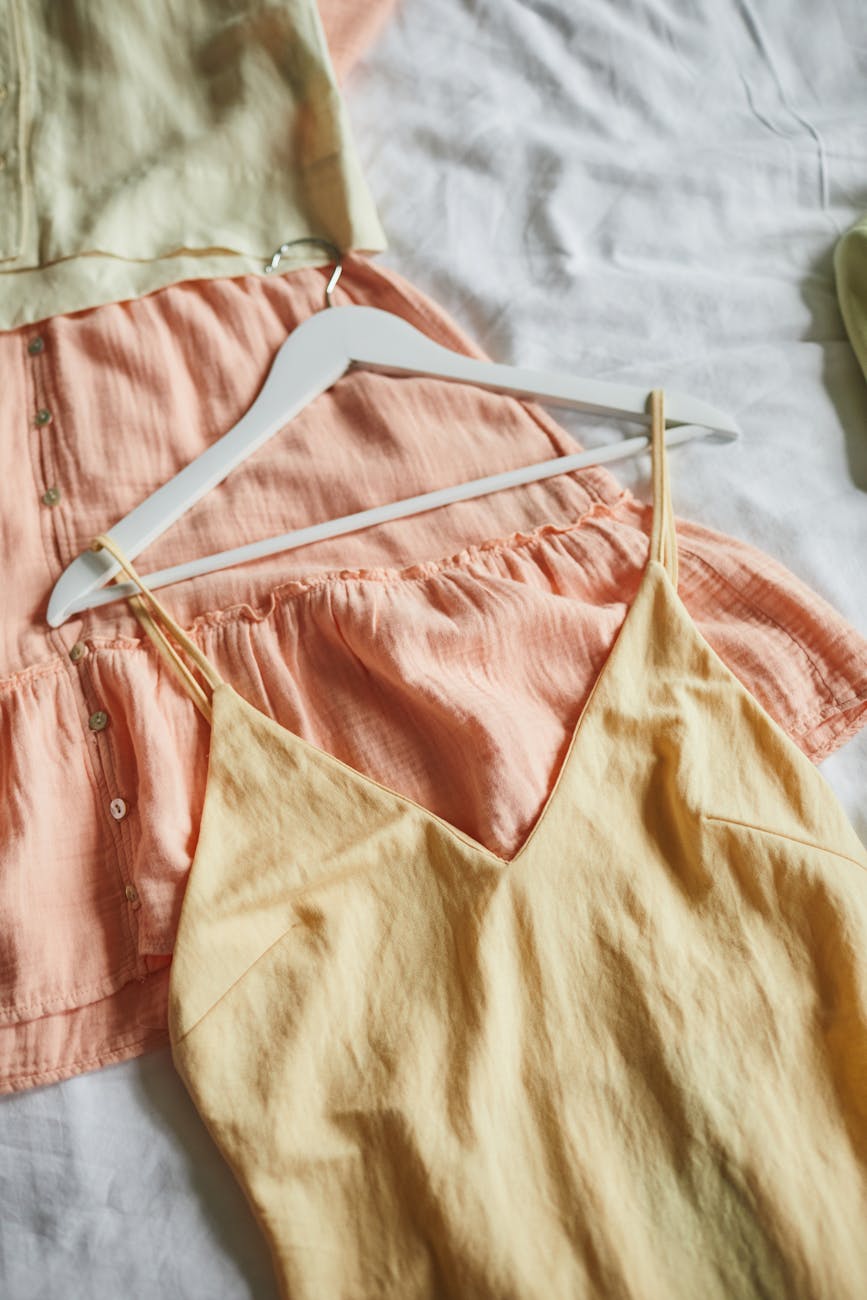
Types of Clothing Made with Organic Cotton
Designers and sustainable fashion brands are embracing organic cotton for a wide variety of garments. Some of the most common clothing made from organic cotton includes:
1. T-shirts and Tops
Simple and breathable, they’re ideal for daily wear and layering.
2. Shirts and Kurtas
Perfect for office wear or casual days, offering comfort and style.
3. Dresses and Skirts
Soft, flowing organic cotton is used for maxi dresses, wrap dresses, and more.
4. Pants and Trousers
From joggers to wide-leg cotton pants, organic cotton holds structure well.
5. Baby Clothes
Free from allergens and toxic dyes, it’s the gold standard for baby rompers, onesies, and wraps.
6. Sleepwear and Loungewear
Its breathability and softness make it a dream for nightwear.
7. Undergarments
Skin-sensitive innerwear made from organic cotton ensures maximum comfort.
8. Ethnic Wear
Organic cotton sarees, kurtas, and dupattas are now being handwoven and naturally dyed, combining sustainability with tradition.
Organic Cotton Beyond Clothing
The applications of organic cotton go beyond fashion:
- Home Furnishing: Bedsheets, pillowcases, curtains
- Reusable Bags: Grocery totes and handbags
- Diapers and Sanitary Pads: Biodegradable and chemical-free options
- Masks: Skin-safe protective wear
- Yoga Mats and Accessories: Eco-friendly fitness gear
The possibilities are ever-expanding as sustainability continues to drive innovation.
The Role of Organic Cotton in Sustainable Fashion
Sustainable fashion isn’t just about style—it’s about responsibility. Organic cotton plays a pivotal role in:
- Reducing water usage: Saves up to 91% water compared to conventional cotton.
- Eliminating toxic chemicals: Safer for ecosystems and workers.
- Empowering farmers: Through fair wages and safer environments.
- Supporting circular fashion: Organic cotton is biodegradable and recyclable.
Brands like Patagonia, People Tree, Thought, FabIndia, and No Nasties are leading the way by making organic cotton central to their collections.
How to Identify Genuine Organic Cotton Products
With greenwashing on the rise, it’s essential to verify if the organic cotton product is truly sustainable. Here’s what to look for:
- GOTS certification label
- Fairtrade or OEKO-TEX tags
- Brand transparency (check the brand’s sustainability pages)
- Natural dyes and handloom marks
- No polyester blends (often marketed falsely as “eco-friendly”)
Challenges in the Organic Cotton Industry
While the benefits are clear, the organic cotton industry faces hurdles:
- Limited Awareness (among consumers)
- High production costs
- Difficulties for small farmers (in accessing certification)
- Competition with fast fashion (which relies on cheap, conventional cotton)
Overcoming these challenges will require:
- Government and NGO support for farmers
- More affordable certification systems
- Greater consumer education
A Fabric for the Future
Organic cotton is not just a fabric—it’s a movement. A movement toward conscious choices, ethical fashion, environmental responsibility, and healthier living. By choosing organic cotton, we aren’t just buying clothes; we’re voting for a better, more sustainable future.
As fashion continues to evolve, fabrics like organic cotton will lead the way in shaping a world where style meets sustainability—and where both people and the planet thrive.

 Panache Palette
Leave a comment