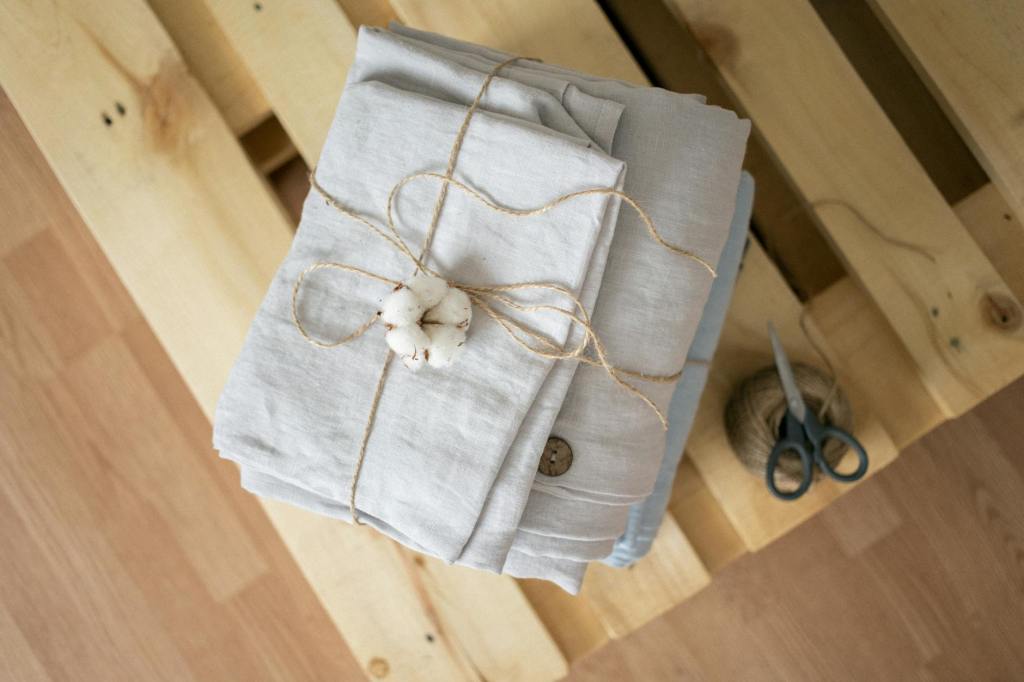
Few fabrics have stood the test of time as gracefully as linen. Revered for its rich history, exceptional comfort, and effortless elegance, linen continues to be a favorite in the world of fashion and textiles. From ancient Egyptian tombs to modern runways, this natural fiber tells a story of craftsmanship, sustainability, and refined taste.
In this blog, we’ll explore everything you need to know about linen material — from how it’s made and where it’s produced to why it’s loved, why it’s expensive, what garments it’s used for, and why it’s considered ideal for certain climates. Whether you’re a fashion enthusiast or a curious consumer, let’s delve into the versatile world of linen.
What Is Linen?
Linen is a natural fiber made from the flax plant (Linum usitatissimum). Known for its strength, breathability, and ability to keep you cool, linen has been used by humans for over 36,000 years. It is one of the oldest textiles known to civilization — with remnants found in prehistoric Swiss lake dwellings and ancient Egyptian tombs.
The fabric is lightweight, moisture-wicking, and biodegradable, making it a preferred choice for warm weather and conscious consumers alike.
How Is Linen Made?
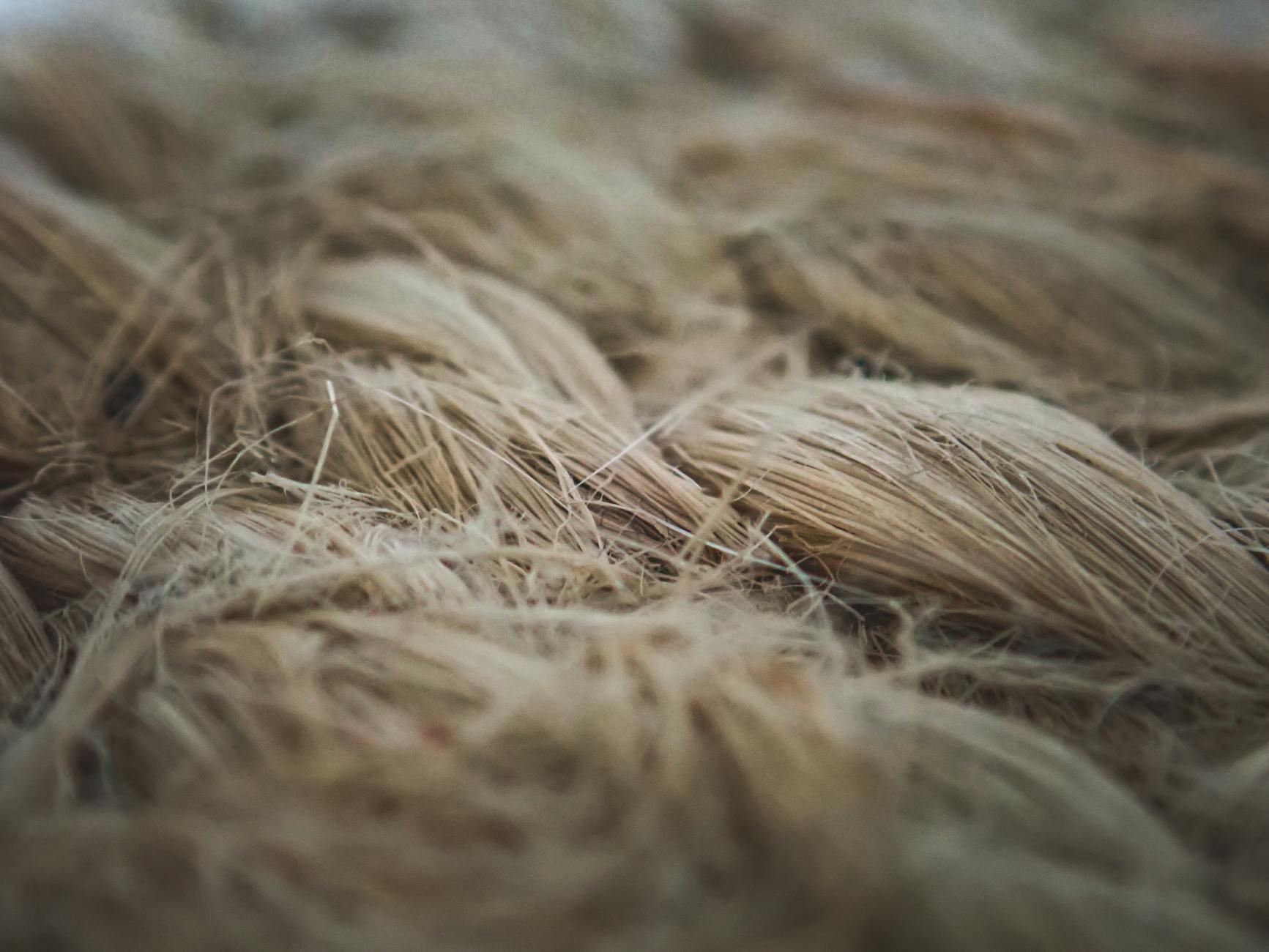
The making of linen is a complex, labor-intensive process that contributes significantly to its premium pricing. Here’s how linen is created from the flax plant:
1. Cultivation of Flax
Flax grows best in cool, damp climates with well-drained soil. The largest flax-producing countries include France, Belgium, the Netherlands, and Ireland, where the climate favors high-quality fiber yield.
2. Harvesting
Once the flax plant matures, it is hand-pulled or machine-cut from the roots to preserve the entire length of the fibers. This typically happens after about 100 days of growth.
3. Retting
Retting is a crucial step where the flax stalks are exposed to moisture to loosen the fibrous material from the woody stem. This can be done through:
- Dew retting (using natural moisture)
- Water retting (immersion in ponds or tanks)
- Chemical retting (modern but less eco-friendly)
4. Breaking and Scutching
The dried flax is then broken to separate the outer stalk from the inner fibers. Scutching removes the woody part, leaving behind the soft linen fibers.
5. Hackling and Spinning
The fibers are then combed (hackled) to align them and remove short strands. The long fibers are then spun into yarn, often using traditional spinning wheels for high-end linen.
6. Weaving and Finishing
Finally, the yarn is woven into fabric and finished through washing, bleaching, or dyeing to produce the final textile.
Where Is Linen Produced?
While flax can be grown in many places, the finest linen is predominantly sourced from Western Europe. The leading producers of high-quality linen include:
- France – Particularly Normandy, known for fine and luxurious flax.
- Belgium – Produces premium-grade flax linen.
- Ireland – Famous for traditional craftsmanship and linen heritage.
- Italy – Specializes in high-end fashion-grade linen.
- India and China – Also produce linen, with more focus on commercial-scale manufacturing.
Interestingly, Europe produces over 85% of the world’s flax, but a significant portion is sent to China and India for weaving and processing, making them large contributors to linen textiles.
Why Is Linen in High Demand?
Several factors contribute to the increasing demand for linen globally:
1. Sustainability
Linen is one of the most eco-friendly fabrics available:
- Flax requires less water and pesticides than cotton.
- Every part of the plant is used (no waste).
- Biodegradable and renewable.
2. Breathability and Comfort
Linen is highly breathable due to its natural weave and hollow fibers. It allows air to circulate and keeps the body cool, making it ideal for tropical and summer climates.
3. Timeless Aesthetic
The slightly wrinkled texture of linen offers a relaxed yet sophisticated look that appeals to modern minimalism and slow fashion trends.
4. Durability
Linen is twice as strong as cotton, making it a long-lasting investment in both clothing and home textiles.
5. Versatility
From fashion to home décor, linen finds a place in shirts, trousers, dresses, curtains, bed linen, and tablecloths.
Why Is Linen So Expensive?
Linen often comes with a higher price tag. Here’s why:
- Labor-Intensive Production: The retting and scutching processes are time-consuming.
- Lower Yield: Flax plants produce less fiber compared to cotton.
- Seasonal Cultivation: High-quality flax is grown only in specific regions and seasons.
- High-Quality Craftsmanship: Premium linen often involves hand-finishing and traditional weaving techniques.
- Durability and Longevity: Though expensive, linen lasts for decades, making it cost-effective in the long run.
How Comfortable Is Linen?
One of linen’s biggest selling points is comfort. Here’s what makes it so beloved:
- Cool to Touch: Linen naturally feels cool against the skin.
- Wicks Moisture: Absorbs perspiration without feeling damp.
- Hypoallergenic: Suitable for sensitive skin.
- Gets Softer Over Time: While new linen may feel coarse, it becomes softer with each wash.
However, some people find linen’s natural wrinkling a downside — though for many, that’s part of its charm.
What Attires Can Be Made from Linen?
Linen is extremely versatile. Here’s a breakdown of what you can create with it:
For Women:
- Sarees – Lightweight, elegant, and breathable for summer.
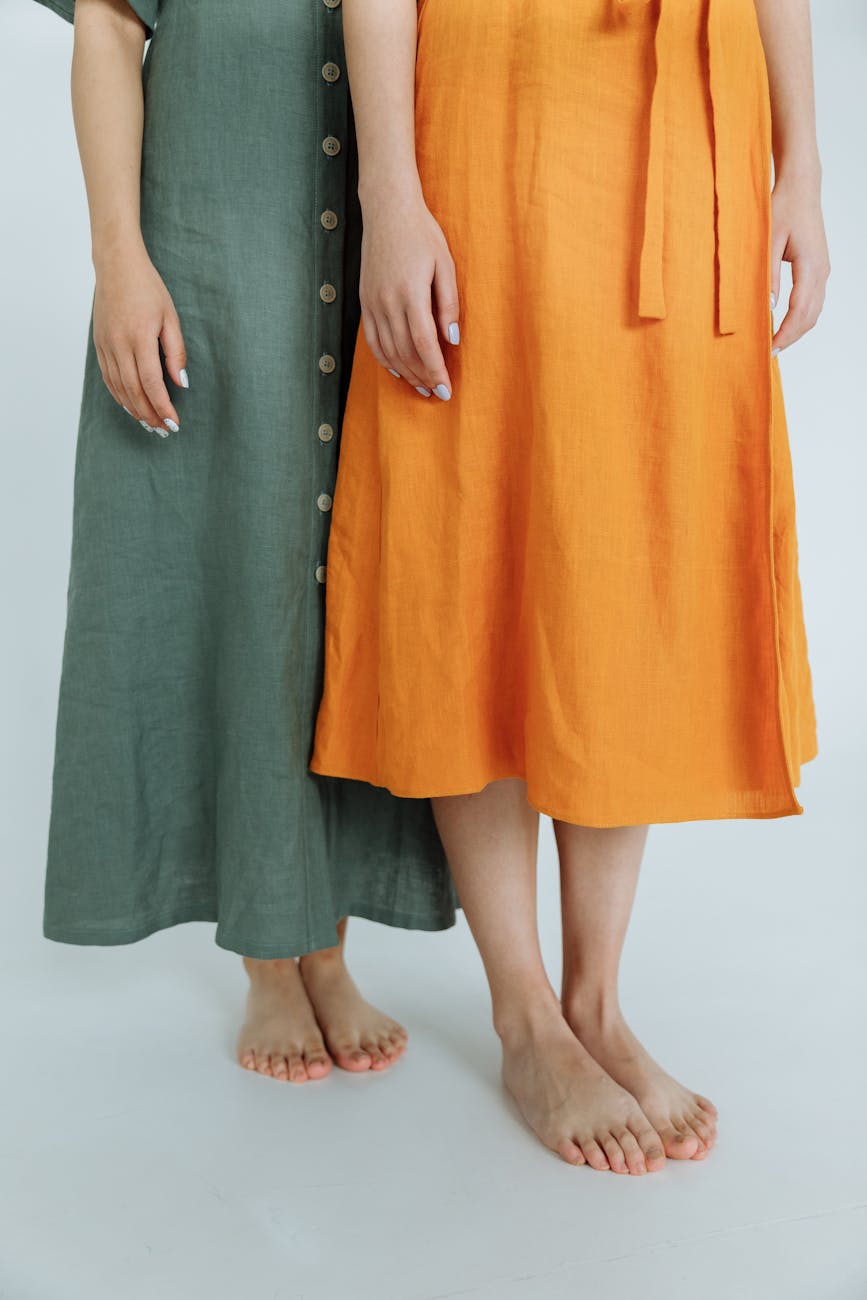
- Dresses – A-line, wrap, shirt-dresses, and maxis.
- Tops and Blouses – Crisp linen tops offer casual elegance.
- Pants and Culottes – Structured yet comfortable.
- Blazers – For summer-friendly office wear.
- Co-ord Sets – Trendy and fuss-free.
For Men:
- Shirts – Classic summer staple.
- Trousers – Light yet formal.
- Kurta-Pajama Sets – Popular for ethnic wear.
- Blazers and Jackets – Great for semi-formal occasions.
For Kids:
- Jumpsuits
- Rompers
- Mini dresses
- Summer shirts and shorts
Home Décor:
- Curtains
- Bed sheets
- Cushion covers
- Table linen
Best Seasons to Wear Linen
Linen is often referred to as a “summer fabric”, and for good reason:
- Spring/Summer: Best suited due to its cooling effect and moisture absorption.
- Tropical Climates: Linen is a lifesaver in hot and humid places like South India, Southeast Asia, and the Mediterranean.
- Monsoon: While it dries quickly, linen can wrinkle easily, so handle with care.
In colder seasons, blended linen (with wool or cotton) can offer more insulation while preserving the breathable quality.
Linen vs Cotton: Key Differences
| Feature | Linen | Cotton |
| Source | Flax plant | Cotton plant |
| Texture | Crisp, breathable | Soft, smooth |
| Absorbency | More absorbent | Less absorbent |
| Durability | More durable | Less durable |
| Eco-friendliness | More sustainable | Water-intensive to grow |
| Cost | Expensive | Affordable |
Linen Care Tips
To ensure your linen garments last long and age gracefully:
- Wash in Cold Water: Hand or gentle machine wash.
- Avoid Harsh Detergents: Use mild, eco-friendly ones.
- Dry Naturally: Air drying preserves fabric quality.
- Iron Inside-Out: While slightly damp for a smooth finish (unless you love the crumpled look!).
- Store in a Cool, Dry Place: Keep away from direct sunlight.
The Cultural and Fashion Appeal of Linen
Linen isn’t just functional — it’s fashionable. Many designers across the world frequently incorporate linen in their collections.
In India, linen sarees, shirts, and kurtas have become a symbol of refined, earthy luxury, blending traditional aesthetics with modern minimalism.
Celebrities and stylists love linen for its organic feel and visual richness — making it a staple for airport looks, summer weddings, and eco-conscious fashionistas.
Why Choose Linen?
Linen is more than just a fabric — it’s a lifestyle. When you wear linen, you choose:
- Sustainability over waste
- Comfort over trends
- Timelessness over fast fashion
Despite its higher cost and need for care, linen offers unmatched quality, versatility, and environmental benefits. In an age where we’re rethinking our wardrobes and choices, linen stands out as a smart, stylish, and sustainable investment.

 Panache Palette
Leave a comment